


Where is the liver located in the human body?

The liver is an internal organ located in the abdominal cavity. However, many people are unaware of its precise anatomical location. So, where exactly is the liver situated within the human body?
Where Is the Liver Located in the Human Body?
The liver resides in the right upper quadrant of the abdomen and is the largest solid organ in the human body. Its main bulk lies in the right upper abdomen, protected and partially covered by the right ribs. Numerous vital organs surround the liver: the diaphragm lies superiorly, adjacent to the lungs; inferiorly, it borders the transverse colon, duodenum, and extrahepatic bile ducts; to its left lie the stomach and spleen; and posteriorly, it abuts the body’s largest blood vessels—the abdominal aorta and inferior vena cava.
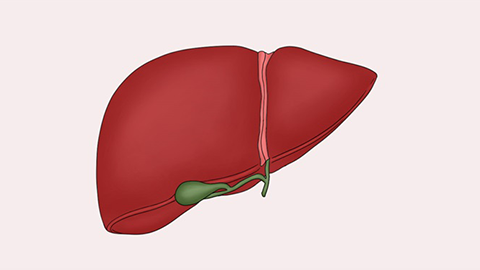
The liver receives dual blood supply—both from the hepatic artery and the portal vein. Its functions are highly complex and include metabolism, synthesis, detoxification, bile secretion, regeneration, and partial hematopoietic and immune functions. In healthy individuals, the liver is not palpable below the right costal margin; however, the left lobe may sometimes be felt just beneath the xiphoid process in the epigastric region.

The liver is the largest gland in the human body and functions as a digestive gland, playing a critical role in digestion. Its first major function is synthesis: it synthesizes three key classes of biomolecules—proteins, lipids, and carbohydrates—and serves as a central hub for carbohydrate metabolism. Metabolism, however, represents only one facet of its multifaceted roles. Additionally, the liver acts as an important immune organ, providing essential protective functions for the body. We hope this explanation has been helpful!


