


What Causes Indentations in the Thumbnail?
May 14, 2022
Source: Cainiu Health

Dr. Liu Wan
Introduction
Thumb nail indentation may result from various internal and external factors. Internally, severe anemia, cardiopulmonary diseases, or peripheral circulatory disorders can impair local blood supply and oxygenation to the nail matrix, leading to nutritional deficiency. This compromises the nail matrix’s ability to synthesize the nail plate, resulting in abnormal nail plate growth—manifesting as indentations.
When the body develops a disease, it often manifests through external symptoms. The nails serve as a barometer of overall health—changes in the appearance of fingernails can reflect underlying health issues. So, what causes concavities (indentations) in the thumbnail?
What Causes Thumbnail Concavities?
Thumbnail concavities may result from multiple internal and external factors. Internally, severe anemia, cardiopulmonary diseases, or peripheral circulatory disorders can impair local blood supply and oxygenation to the nail matrix, leading to nutritional deficiencies. This compromises the matrix’s ability to synthesize the nail plate properly, resulting in abnormal nail growth—including concavities. Deficiencies in certain vitamins or trace elements—such as calcium or zinc—may also contribute to nail indentation. Externally, trauma or compression injuries to the nail itself can cause indentations. Additionally, dermatophyte fungal infections may damage the nail plate, leading to concavities; such cases can be confirmed via fungal testing.
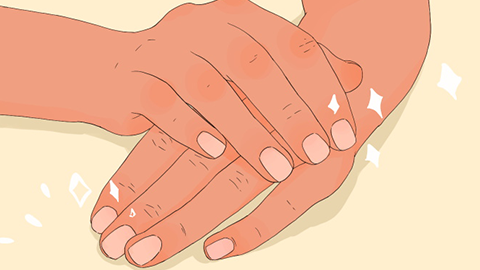
In cases where concavities are caused by iron-deficiency anemia, dietary intake of iron-rich foods should be increased, along with supplementation of folic acid and vitamin B12. If nail concavities stem from an underlying autoimmune disorder, treatment should primarily target the root condition; as the primary disease improves, the nail abnormalities typically resolve.
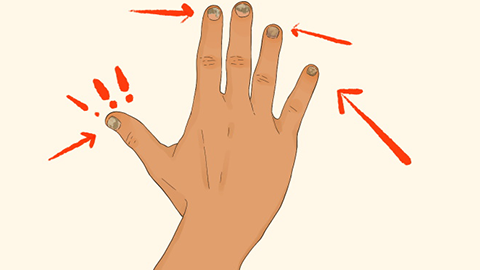
For fungal infections, topical application of decocted bark of Buddleja officinalis (commonly known as “Tujinpi”) may be used—but it is toxic and must never be ingested. Given the wide range of potential causes for nail concavities, medications should always be prescribed and supervised by a qualified physician; self-treatment or blind therapy is strongly discouraged. We hope this information has been helpful to you!





