


Is lumbar spinal tuberculosis contagious?

Lumbar spinal tuberculosis is a form of skeletal tuberculosis caused by *Mycobacterium tuberculosis* infection in the lumbar vertebrae. It poses a serious threat to human health, and early treatment is strongly recommended. So, is lumbar spinal tuberculosis contagious?
Is Lumbar Spinal Tuberculosis Contagious?
No, lumbar spinal tuberculosis is not contagious. It belongs to the category of bone and joint tuberculosis—a manifestation of systemic tuberculosis. *Mycobacterium tuberculosis* primarily infects humans via three routes: respiratory transmission, gastrointestinal transmission, and contact transmission—with respiratory transmission being the predominant mode of contagion in tuberculosis. Skeletal tuberculosis typically develops secondarily to pulmonary tuberculosis or tuberculosis at other sites, with tubercle bacilli disseminating hematogenously to bone tissue. Due to the rich blood supply and relatively slow blood flow in the lumbar spine, this region is particularly susceptible to skeletal tuberculosis. Since the tubercle bacilli reside within bone tissue and the bloodstream—and not in respiratory secretions or other transmissible bodily fluids—lumbar spinal tuberculosis itself is non-contagious.
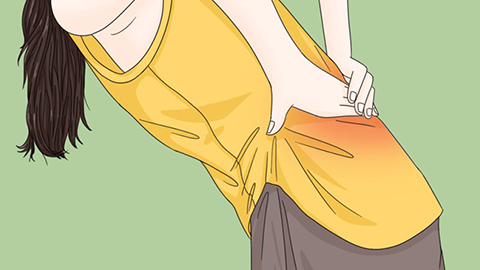
Lumbar vertebral tuberculosis refers to an infection caused by *Mycobacterium tuberculosis* within the lumbar vertebral bodies, most commonly resulting from hematogenous dissemination of bacilli from a pre-existing pulmonary tuberculosis focus. The bacteria destroy the bony architecture of the vertebral body, potentially eroding adjacent bone, leading to paravertebral abscess formation, vertebral compression collapse, or narrowing and eventual disappearance of the intervertebral disc space—ultimately compromising spinal stability.

Patients should rest adequately, avoid overexertion, limit physical activity, maintain proper nutrition, and strengthen their immune system. Prompt anti-inflammatory and antitubercular therapy is essential, along with regular follow-up examinations. Surgical intervention may be necessary in selected cases to restore structural integrity and function. Early diagnosis and treatment significantly improve the likelihood of full recovery. We hope this information has been helpful to you!


