


Does soy milk cause internal heat or reduce internal heat?

Soy milk is a fragrant, rich, and nutritious beverage offering numerous health benefits across all age groups. When consuming soy milk, many people wonder whether it causes “internal heat” (a traditional Chinese medicine concept referring to inflammatory or overheating symptoms). So, does soy milk cause internal heat—or help reduce it?
Does Soy Milk Cause or Reduce Internal Heat?
Generally, soy milk does not cause internal heat. However, if you prepare soy milk at home, it is advisable to soak the soybeans beforehand and remove their skins—this improves flavor and enhances nutrient absorption by the body. That said, avoid drinking soy milk on an empty stomach. Most of the protein in soy milk will be converted into energy and metabolized rather than utilized for nourishment. To maximize nutritional benefits, consume soy milk alongside starchy foods such as bread, pastries, or steamed buns. The starch helps facilitate enzymatic digestion of soy proteins and gastric juices, thereby promoting optimal nutrient absorption.
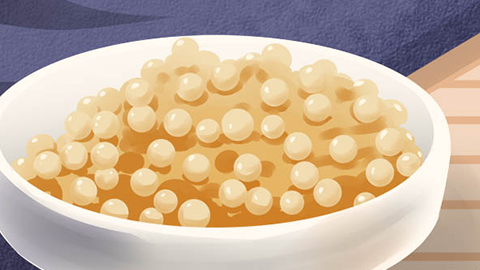
According to Traditional Chinese Medicine (TCM), soy milk is neutral in nature and sweet in taste. It tonifies the kidney’s yin (water element) and helps regulate wind-heat conditions while detoxifying the body. Regular consumption may help prevent osteoporosis and constipation. In summary, soy milk neither causes nor reduces internal heat per se. However, some individuals may experience gastric discomfort or even diarrhea after drinking soy milk—often due to insufficient cooking. Soy milk exhibits a “false boil” phenomenon at approximately 80°C, misleading many into thinking it is fully cooked. In fact, it must be boiled continuously for an additional 3–5 minutes to ensure safety and complete denaturation of potentially harmful compounds.

Be sure to avoid consuming undercooked soy milk. Raw or inadequately cooked soy milk contains toxic substances that can disrupt protein metabolism and lead to food poisoning symptoms. We hope this information proves helpful!


