What is the normal range for blood urea nitrogen (BUN)?
May 15, 2022
Source: Cainiu Health

Dr. Li Mingchuan
Introduction
Under normal circumstances, the reference range for blood urea nitrogen (BUN) is 2.9–7.5 mmol/L. However, during pregnancy, the normal range in women may change to 1.4–4.3 mmol/L. BUN primarily refers to the concentration of urea nitrogen in plasma and is mainly used to assess glomerular filtration function. Do not misuse medications.
Any abnormality in a bodily parameter—no matter how minor—can cause varying degrees of harm to the body. So, what is the normal reference range for blood urea nitrogen (BUN)?
What Is the Normal Range for Blood Urea Nitrogen (BUN)?
Under normal circumstances, the reference range for BUN is 2.9–7.5 mmol/L. However, during pregnancy, women’s BUN levels may decrease; thus, the normal range in this population is 1.4–4.3 mmol/L. BUN specifically refers to the concentration of urea nitrogen in plasma and is primarily used to assess glomerular filtration function. If you experience any discomfort, do not self-medicate—seek prompt medical attention.
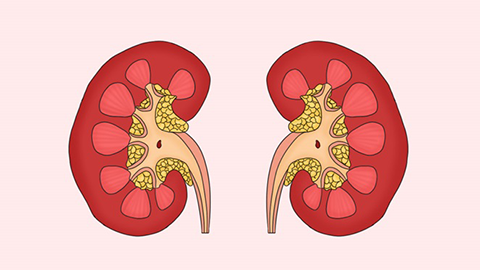
Elevated BUN requires treatment decisions—including whether medication is needed and which specific agents to use—based on the underlying cause, with the goal of lowering BUN levels. Common clinical scenarios include:
Renal insufficiency: In patients with impaired kidney function, elevated BUN accompanied by increased serum creatinine typically warrants pharmacological intervention. The choice of medication should be guided by symptom severity and renal functional status, prioritizing agents that improve or support renal repair. For example, aldehyde starch-based medications may be used to manage elevated BUN.
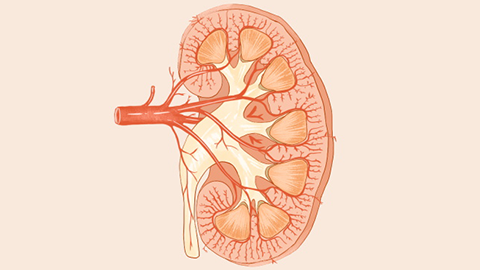
If renal function remains normal but dietary protein intake is excessive—for instance, from protein supplements—BUN may rise while serum creatinine remains within normal limits. In such cases, dietary modification is recommended: ensure balanced nutrition and avoid excessive protein consumption. Elevated BUN under these conditions generally resolves without specific pharmacotherapy. We hope this information has been helpful!