


What Are the Causes of Excessive Sweating?

Generally, people sweat profusely in hot weather or after intense physical activity. Moderate sweating helps unblock meridians, invigorate qi and blood, enhance mental alertness and physical vitality, regulate nervous system function, improve microcirculation, and facilitate the elimination of dampness from the body. However, individual sweating volumes vary significantly—some people sweat excessively for no apparent reason, while others sweat very little. So, what are the possible causes of excessive sweating? Let’s explore them below.
Causes of Excessive Sweating
1. Environmental Factors
Excessive sweating is closely related to ambient temperature. As environmental temperature rises, the body naturally increases sweat production. This occurs because the central nervous system detects elevated body temperature and initiates thermoregulation—primarily by promoting sweat evaporation—to maintain a stable core body temperature.
2. Medical Conditions
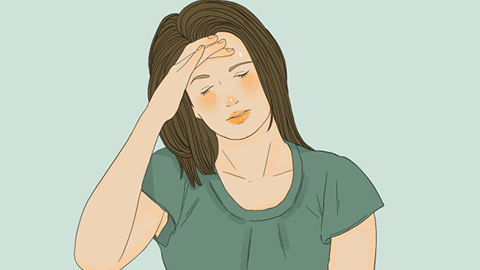
Excessive sweating may also be a symptom of underlying disease. For example, patients with endocrine disorders often experience profuse sweating—whether at rest or during physical activity. During an acute myocardial infarction (heart attack), patients frequently break out in cold sweats due to insufficient oxygen and blood supply to the heart muscle, resulting in chest tightness, angina pectoris, a sense of impending doom, and marked diaphoresis. Hypoglycemia (low blood sugar) can similarly trigger cold sweats. Additionally, individuals with hyperthyroidism produce excess thyroid hormone, leading to sympathetic nervous system overactivity; this not only accelerates metabolism but also commonly manifests as excessive sweating.
3. Obesity
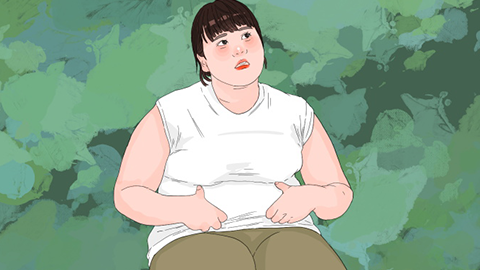
Individuals with obesity tend to sweat more readily. This is because excess adipose tissue acts as thermal insulation, impairing heat dissipation and placing additional strain on the body’s thermoregulatory system. Even minimal physical exertion can thus provoke heavy sweating, as obese individuals rely more heavily on sweating to maintain thermal homeostasis.
The above outlines the primary causes of excessive sweating. We hope this information proves helpful to you.


