


What Are Multiple Renal Cysts?
May 15, 2022
Source: Cainiu Health

Dr. Zhao Xinju
Introduction
Multiple renal cysts refer to the presence of more than two cysts in both kidneys. Multiple bilateral renal cysts must be differentiated from polycystic kidney disease (PKD). They typically denote multiple fluid-filled sacs within the kidneys and may represent either simple renal cysts or PKD. These cysts can arise from genetic or non-genetic factors. They may also result from congenital renal dysplasia or be acquired secondary to underlying disease.
Multiple bilateral renal cysts are a relatively common condition in daily life. This disease can significantly impact an individual’s work and quality of life; in severe cases, it may even pose a threat to life. So, what exactly are multiple bilateral renal cysts?
What Are Multiple Bilateral Renal Cysts?
Multiple bilateral renal cysts refer to the presence of more than two cysts in both kidneys. They must be differentiated from autosomal dominant polycystic kidney disease (ADPKD). Typically, these cysts are fluid-filled sacs within the kidneys and may represent either simple renal cysts or cysts associated with polycystic kidney disease. They can arise from genetic or non-genetic factors. Some cases result from congenital developmental abnormalities, while others are acquired—such as those secondary to chronic kidney disease, particularly tubular dilation observed in patients undergoing long-term dialysis, which may lead to multiple bilateral renal cysts.
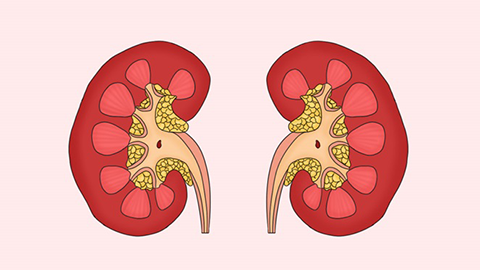
If numerous cysts are present but do not compromise the structural integrity of the renal parenchyma, kidney function is usually preserved, and no specific intervention is required. However, if a cyst exceeds 5 cm in diameter or causes compressive symptoms—such as low back discomfort, pain, or general malaise—intervention options include percutaneous cyst aspiration and drainage or laparoscopic cyst decortication (decompression surgery). In contrast, patients with polycystic kidney disease (PKD), a hereditary disorder, experience progressive structural damage to the kidneys, ultimately leading to renal failure; therefore, active management is essential.
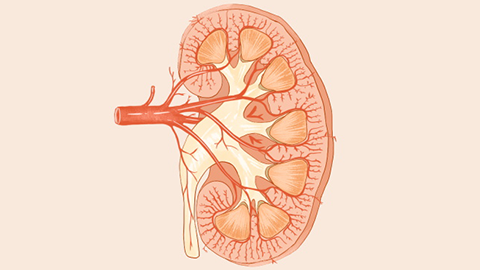
During treatment, patients should avoid spicy and irritating foods and instead follow a light, balanced diet. Maintaining healthy dietary habits and regular sleep patterns is also strongly recommended. We hope this information has been helpful to you!




