


What Are the Symptoms of Bedbug Bites?

Bed bugs are relatively common insects in daily life. As they are photophobic, bed bugs are rarely seen during the day but are more frequently encountered at night. What symptoms occur after a bed bug bite?
Symptoms of Bed Bug Bites
Redness and swelling: When biting humans, bed bugs typically target exposed areas—especially the eyelids, cheeks, corners of the mouth, and limbs. Following a bite, the skin develops prominent papules and erythematous plaques, often with a pinpoint-sized puncture mark at the center. Light pressure on the affected area may elicit mild tenderness. Blisters: Skin lesions resulting from bed bug bites may appear scattered or clustered, primarily manifesting as red papules ranging in size from mung bean– to peanut–sized. Small vesicles commonly sit atop these papules; in rare cases, larger bullae may develop.
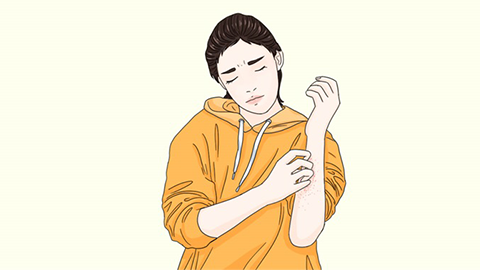
Stinging sensation: After a bed bug bite, localized swelling occurs; some individuals may experience stinging, pain, or a burning sensation, followed by the development of large, raised welts. Itching: Bed bug bites commonly provoke intense pruritus (itching), accompanied by localized erythema and edema. Due to severe itching, patients often scratch the affected area, which may lead to secondary bacterial infection.
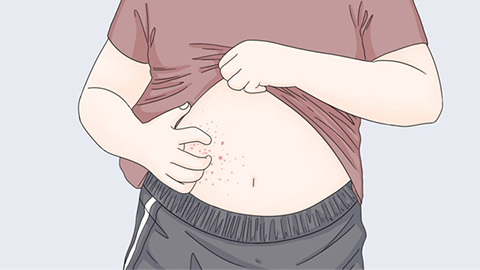
Fatigue: In rare, severe cases, systemic symptoms—including chest tightness, dyspnea, and abdominal pain—may occur following bed bug bites. Reactions vary widely among individuals: some develop only a small red spot with mild pruritus, while others exhibit pronounced erythema, swelling, and even fatigue. After a bed bug bite, the wound may be treated topically with potassium permanganate solution, and prompt medical consultation is advised. Visit a nearby hospital to seek professional evaluation and further management per your physician’s recommendations. We hope this information proves helpful!


