


When is the optimal time for pregnant women to undergo 3D color Doppler ultrasound?

After becoming pregnant, expectant mothers must undergo routine ultrasound examinations at the hospital as directed by their physicians to monitor fetal development in a timely manner. So, when is the optimal time for a 3D ultrasound during pregnancy?
Optimal Timing for a 3D Ultrasound During Pregnancy
The ideal window for a 3D ultrasound is between 20 and 28 weeks of gestation. During this period, the fetus’s major organs are largely developed, its size remains manageable, amniotic fluid volume is adequate, and fetal movement within the uterus is relatively active. Three-dimensional color Doppler ultrasound enables comprehensive assessment of all key fetal growth and developmental parameters. If performed too early, the accuracy of the examination may be compromised; if performed too late, the larger fetal size and limited intrauterine mobility may restrict the effectiveness and clarity of the 3D imaging.
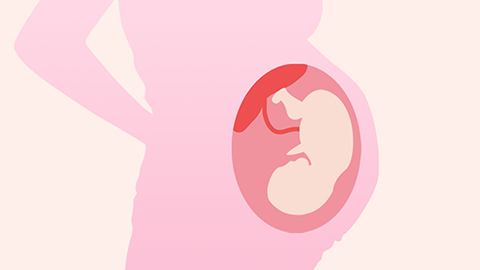
Additionally, it is advisable to schedule the 3D color Doppler ultrasound during periods when the fetus is typically active—and avoid times when the fetus tends to be less active. If the fetus is resting, the mother should engage in gentle physical activity prior to the scan to encourage fetal movement, thereby enhancing image clarity.

If the examination is performed transabdominally, the patient may need to have a full bladder—particularly when evaluating the placenta. In some other cases, bladder filling may not be required; however, patients should consult their physician beforehand to determine individual preparation requirements. We hope this information is helpful!


