


What Causes Fetal Hiccups?

Due to their relatively low immunity, infants are prone to various illnesses and abnormal symptoms. Some babies frequently hiccup—so what causes fetal hiccups?
What Causes Fetal Hiccups?
Hiccups are a normal physiological phenomenon. Fetal hiccups typically begin after 28 weeks of gestation, and pregnant women need not be overly concerned. Hiccups indicate that the fetus’s lungs are not yet fully developed. To strengthen respiratory function, the fetus continuously swallows amniotic fluid within the uterus—a process essential for lung maturation and laying the foundation for normal breathing after birth. Fetal hiccups also reflect the development of gastrointestinal digestive function. The timing of fetal hiccups is variable. When hiccups occur, the mother perceives rhythmic movements in her abdomen—approximately every 2–3 seconds, lasting about 2–5 minutes. These movements resemble fetal heartbeats.
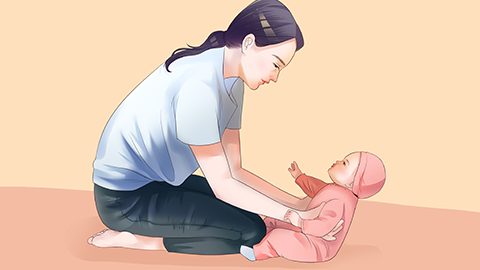
Hiccups are a common occurrence, analogous to normal breathing in adults. Since the fetal lungs are still immature, the fetus must repeatedly swallow amniotic fluid to exercise its respiratory muscles; thus, hiccups serve as one mechanism for developing pulmonary respiratory capacity. If fetal hiccups occur frequently, the mother may gently stroke her abdomen—this often resolves the hiccups within several minutes. If hiccups persist despite stroking, changing maternal position may help stop them. Therefore, fetal hiccups are entirely normal and generally require no concern.

Parents should remain vigilant, as newborns have comparatively weak immune and resistance systems, rendering them susceptible to illness and atypical symptoms. Early detection of disease or abnormalities is crucial. We hope this information proves helpful!


