


Causes of Hori’s Nevus

Facial pigmentation spots are a source of distress for those who value their appearance—difficult to eliminate and unpleasant to look at. Many people seek effective treatments for these spots and wish to understand their underlying causes. So, what causes Hori’s nevus (melanodermia)?
Causes of Hori’s Nevus
Prolonged direct sun exposure or ultraviolet (UV) radiation can significantly increase melanin production in the body, leading to the appearance of brownish-green pigmented spots. Therefore, rigorous sun protection is essential whenever outdoors. Hormonal imbalances resulting from endocrine system disorders may also contribute to the development of melanic hyperpigmentation.
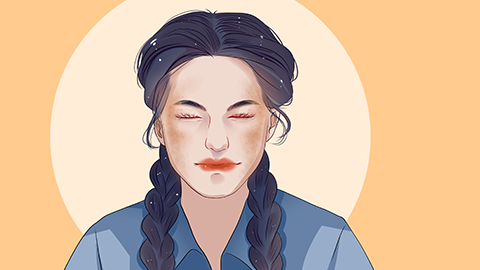
Hori’s nevus manifests primarily as bilateral, bluish-brown pigmented macules on the zygomatic regions; it may also appear on the nose and forehead. Its pathogenesis resembles that of nevus of Ota: during embryonic development, melanocytes migrate from the neural crest to the epidermis, but due to certain factors, some melanocytes become abnormally deposited in the dermis, resulting in increased dermal pigmentation. Currently, laser therapy is the primary treatment modality. Q-switched lasers and picosecond lasers are commonly used, typically requiring three to six months of treatment. Post-laser treatment, transient hyperpigmentation may occur, but with continued therapy, the pigmentation gradually fades.
Laser treatment is the standard approach for managing Hori’s nevus. Strict sun protection remains critical: wear wide-brimmed hats, use umbrellas for shade, and apply broad-spectrum sunscreen regularly to avoid direct sun exposure. After treatment, maintain a healthy diet rich in fruits and vegetables, keep meals light and bland, and avoid spicy or irritating foods. We hope this information proves helpful to you!


