


What Is First-Degree Atrioventricular (AV) Block?

First-degree atrioventricular (AV) block falls under the category of arrhythmias and is commonly associated with conditions such as myocarditis, coronary artery disease, rheumatic heart disease, hypertension, diabetes mellitus, and connective tissue disorders. So, what exactly is first-degree AV block?
What Is First-Degree Atrioventricular Block?
First-degree AV block is a conduction disorder of the heart. Normal cardiac contraction follows an orderly sequence—from the atria to the ventricles—dependent on the AV conduction system, whereby electrical impulses originate in the atria and propagate to the ventricles. First-degree AV block occurs when the conduction time between the atria and ventricles is prolonged. Under normal circumstances, the PR interval—the time required for the impulse to travel from the atria to the ventricles—ranges from 0.12 to 0.20 seconds. If the PR interval exceeds 0.20 seconds, it is classified as first-degree AV block. A slight prolongation, or a consistently fixed delay without further complications, is generally not clinically concerning.
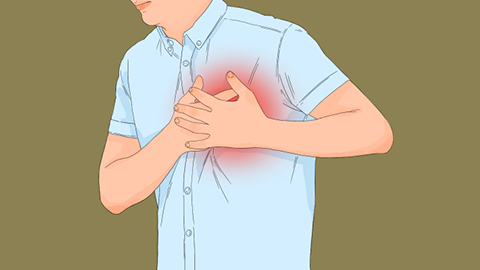
However, if first-degree AV block coexists with intraventricular conduction delay—as evidenced by widening of the QRS complex on electrocardiography—and continues to progress, this may indicate more extensive conduction system disease, possibly involving all three major branches (i.e., trifascicular block), which carries significant risk.

Although first-degree AV block is typically considered less severe than second- or third-degree AV block—which progressively worsen with increasing degree—it can nonetheless be highly dangerous in certain contexts. For instance, if it progresses rapidly or is accompanied by other conduction abnormalities, immediate implantation of a cardiac pacemaker may be required. Without timely intervention, progression to complete (third-degree) AV block may occur, resulting in cardiac standstill and life-threatening consequences. We hope this explanation has been helpful!


