


Is it okay to skip dinner?

Maintaining three regular meals daily is essential in everyday life—especially for individuals who are overweight and consider skipping dinner as a weight-loss strategy. But is skipping dinner truly beneficial?
Is Skipping Dinner Beneficial?
Consistently skipping dinner is definitely not advisable. The human body requires three balanced meals per day; omitting dinner can adversely affect health. Chronic dinner omission may lead to physical weakness, hypotension, reduced energy levels, and impaired immune function. For healthy weight loss, we recommend evidence-based approaches: maintaining regular meal schedules, avoiding greasy and spicy foods, eating until satiated (approximately 6–8 minutes after starting the meal), engaging in consistent physical activity, and adhering persistently to an integrated treatment plan.

Skipping food entirely in the evening easily leads to nutritional deficiencies, negatively impacting overall health. Therefore, dinner should be nutritious and well-balanced—helping prevent fatigue, excessive late-night activity, and consumption of spicy or irritating foods. Restrictive dieting is not recommended for weight management. Successful, sustainable weight loss requires scientifically sound methods; inappropriate strategies may result not only in failure but also in weight regain.
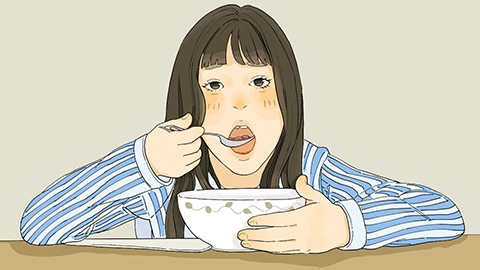
Dinner plays a vital role in human nutrition. Adequate rest and sufficient sleep are equally important. A rational dietary pattern entails eating at regular intervals—not overeating nor undereating—and maintaining consistency in timing. Balanced nutrition means selecting a variety of foods that collectively provide all essential nutrients in appropriate proportions to meet the body’s physiological requirements. Skipping dinner significantly compromises health. We hope this information proves helpful!


