


Is vitiligo contagious?

Vitiligo has long been subject to numerous misconceptions in society. Many people wrongly believe that vitiligo is contagious, leading them to avoid and even discriminate against affected individuals. So—is vitiligo contagious?
Is vitiligo contagious?
No, vitiligo is not contagious. It results from an imbalance in the skin’s pigment-producing system. For a condition to be transmissible, a source of infection must be present—but vitiligo has no such infectious source, making transmission impossible. In fact, the causes of vitiligo are highly complex and extend beyond pigment system imbalance; environmental factors and genetic predisposition may also contribute significantly.
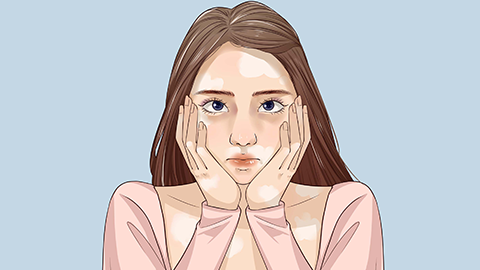
Although vitiligo poses no direct threat to physical health, its visible manifestations—distinctive depigmented patches on the skin—can impose substantial psychological and social burdens on patients, adversely affecting their daily lives and work performance. Research indicates that individuals with vitiligo are at higher risk for depression, social withdrawal, and other mental health disorders—and their suicide risk is significantly elevated compared to the general population. Therefore, prompt medical intervention is essential upon diagnosis to control disease progression and prevent severe complications, such as widespread depigmentation or, in rare cases, malignant transformation into cutaneous malignancies like melanoma. Treatment must be sought at reputable, licensed medical institutions; reliance on unproven folk remedies or “secret formulas” delays proper care and may exacerbate the condition.

In daily life, individuals with vitiligo should prioritize adequate rest, avoid staying up late, consume ample fruits and vegetables, limit or avoid spicy foods, and maintain a positive, relaxed mindset.


