


How long after fibroadenoma surgery can normal life be resumed?

Fibroadenoma of the breast is a benign tumor—not a type of cancer. If treated promptly, it causes minimal harm to the body and can be managed surgically. How soon after surgery can patients resume normal daily activities?
How soon can patients resume normal life after fibroadenoma surgery?
Most patients can resume normal daily activities within 1–2 weeks following surgery; however, recovery time largely depends on the surgical approach used. For smaller fibroadenomas, minimally invasive procedures—such as vacuum-assisted excision (VAB)—are often performed, resulting in very small skin incisions (~3 mm) on the breast surface. Recovery is typically rapid: pain usually subsides within 1–2 days, and most patients can return to routine activities approximately one week postoperatively. In contrast, for larger fibroadenomas—or when open surgical excision is preferred—the incision on the breast surface is larger, and layered internal suturing is performed. Sutures are generally removed about one week after surgery, but patients require additional rest; full resumption of normal activities is typically possible around two weeks postoperatively.
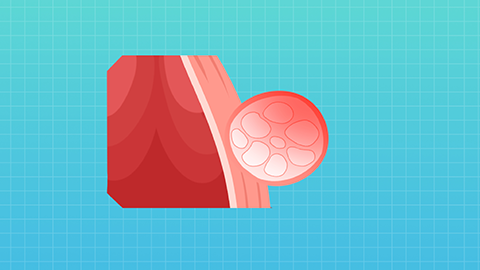
Fibroadenoma is the most common benign breast tumor, predominantly affecting women aged 20–25 years, with peak incidence around age 35. Two primary pathogenic mechanisms are recognized: (1) hormonal imbalance due to dysregulation of endocrine secretion, and (2) abnormal quantity or sensitivity of hormone receptors on mammary epithelial cells, leading to excessive hormonal stimulation and subsequent benign tumor formation. Clinically, fibroadenomas present as painless, firm, mobile, well-circumscribed masses within the breast tissue.

Maintaining proper self-care and balanced nutrition is essential in daily life. Should any unusual symptoms arise, prompt medical evaluation and treatment are strongly advised. We hope this information has been helpful to you!


