


What to Do for Swelling Caused by Mosquito Bites

In daily life, people are frequently bitten by mosquitoes and other insects. Individuals with sensitive skin may develop redness and swelling at the bite site, causing significant discomfort; in severe cases, inflammation or ulceration may occur. So, what should one do when experiencing swelling after an insect bite?
How to Manage Swelling After an Insect Bite
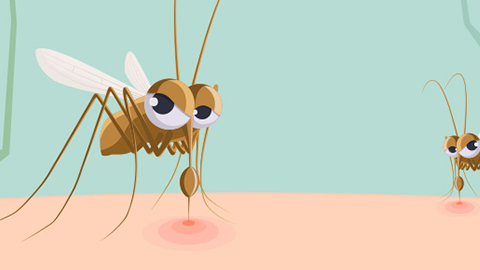
Mosquitoes belong to the family Culicidae within the order Diptera and comprise numerous species. During feeding, they inject saliva into the skin, triggering a localized allergic reaction. However, individual responses to bites vary widely: some people exhibit no reaction, while others develop erythematous macules, papules, or urticarial wheals. A pinpoint-sized petechial spot may appear at the center of the lesion. In more severe reactions, the bite site becomes markedly swollen and erythematous, sometimes accompanied by ecchymosis; patients typically experience pruritus and mild pain or tenderness. Skin lesions usually resolve spontaneously within 2–3 days, and systemic symptoms are generally absent.
Treatment is primarily local. Affected areas may be treated with cooling, antipruritic solutions such as compound calamine lotion or menthol lotion. Topical corticosteroid ointments may also be applied. For widespread skin involvement, oral antihistamines are recommended. If the bite is particularly painful or shows signs of secondary bacterial infection (e.g., increasing erythema, warmth, or purulent discharge), antibiotic therapy should be initiated alongside antiallergic treatment—commonly oral cephalosporins or macrolides (e.g., erythromycin). Cold, moist compresses with etoposide lactate solution may also be used.

For prevention, applying mosquito-repellent lotion (e.g., “Hualu Shui”) can effectively reduce the risk of insect bites. Since mosquito activity peaks during dusk, outdoor activities should be minimized at this time; alternatively, wearing long-sleeved shirts and long pants helps reduce exposed skin surface area. We hope this information proves helpful!


