


What precautions should be taken after cervical erosion surgery?
May 17, 2022
Source: Cainiu Health

Dr. Chen Zhe
Introduction
After undergoing cervical erosion surgery, a wound forms on the cervix; therefore, sexual intercourse must be avoided for two months to allow adequate time for cervical healing. Engaging in intercourse too soon may irritate the surgical site and cause bleeding. Additionally, postoperative eschar separation (scab shedding) commonly occurs, which may be accompanied by bleeding; thus, the amount of bleeding must be carefully monitored.
Gynecological disorders are a major factor affecting women’s daily lives. Cervical erosion (also known as cervical ectropion) is one of the most common gynecological conditions. In its early stages, it often presents no obvious symptoms, leading many women to overlook it—potentially allowing the condition to worsen. So, what precautions should be taken after cervical erosion surgery?
Postoperative Precautions Following Cervical Erosion Surgery
After cervical erosion surgery, a wound forms on the cervix. Therefore, sexual intercourse must be avoided for at least two months to allow adequate time for cervical healing. Resuming intercourse too early may irritate the surgical site and cause bleeding. Additionally, postoperative sloughing of necrotic tissue (eschar) commonly occurs, which may be accompanied by minor bleeding. It is essential to monitor the amount of bleeding closely: if bleeding exceeds normal menstrual flow, prompt medical evaluation is required to assess whether a blood vessel has ruptured—cauterization or other interventions may be necessary. Maintaining external genital hygiene is also critical following surgery, as the risk of cross-infection exists. Wash the external genitalia daily with warm boiled water to prevent abnormal vaginal discharge and ascending infection. Since cervical erosion surgery is an invasive procedure, strenuous physical labor should be avoided for approximately 20 days postoperatively—for example, activities such as laundry or mopping floors—to minimize adverse effects on the body and support optimal wound healing.

Cervical erosion is a common gynecological condition, particularly prevalent among married women who have given birth. It may cause increased vaginal discharge, blood-tinged discharge, or postcoital bleeding, and is frequently associated with low back pain, lumbosacral discomfort, and menstrual irregularities.
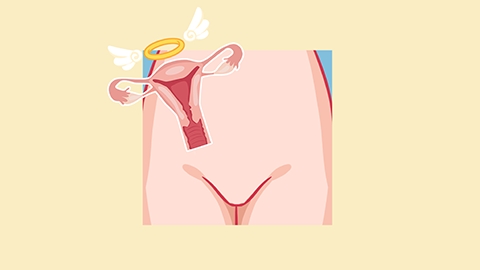
To treat and prevent cervical erosion, women should pay close attention to bodily changes, maintain good personal hygiene, and—most importantly—undergo regular gynecological examinations to monitor their health status. We hope this information proves helpful to you.



