


What Are the Symptoms of Reflux Esophagitis?

Everyone places special emphasis on their own health. Some individuals may develop esophagitis, which can affect appetite and potentially cause heartburn and abdominal pain. What are the symptoms of gastroesophageal reflux disease (GERD)?
What Are the Symptoms of Gastroesophageal Reflux Disease (GERD)?
The most typical symptoms of GERD are heartburn and acid regurgitation. Clinically, patients commonly experience retrosternal pain, postprandial epigastric fullness or discomfort, and a burning sensation in the chest. Additionally, some “silent” or atypical manifestations of GERD may occur—including nocturnal coughing after lying down, increased gastric acid secretion at night, a sour taste in the mouth, or even asthma exacerbations—any of which may suggest underlying GERD.
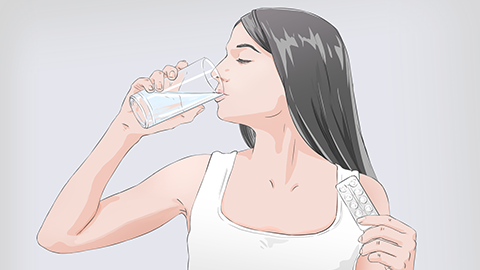
If patients receive acid-suppressing medications—such as omeprazole or rabeprazole—and experience significant symptom relief within approximately one week, this strongly suggests GERD. However, if symptoms such as asthma, acid regurgitation, or heartburn fail to improve after one week of treatment, other potential conditions must be considered, including cardiac disorders, pulmonary diseases, or gastric pathologies. Thus, GERD is primarily diagnosed based on characteristic symptoms (e.g., heartburn and acid regurgitation), and endoscopic examination may reveal linear erosions in the esophagus.
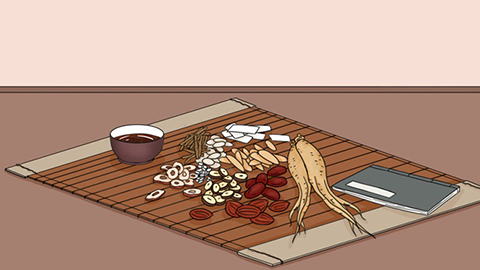
During recovery, dietary adjustments are essential: avoid spicy, stimulating, and seafood-based foods, as these may worsen symptoms. Instead, increase intake of fresh fruits, vegetables, and vitamin-rich foods to support nutritional replenishment and overall health. We hope this information proves helpful to you!


