


Side Effects of Cold Light Teeth Whitening
May 17, 2022
Source: Cainiu Health

Dr. Zhang Liwen
Introduction
Teeth whitening, when performed properly—following standardized, correct, and moderate protocols—typically results in few, if any, adverse effects. However, excessive or improper procedures—including the inadvertent leakage of cold bleaching agents—can lead to side effects such as gingival irritation, gingival recession, damage to dentin due to over-bleaching, and enamel injury.
For severe cases of dental fluorosis or tetracycline-stained teeth—where intrinsic discoloration is particularly pronounced—cold-light whitening offers only limited improvement in tooth shade. In such cases, it is advisable to have a thorough discussion with your dentist when selecting a treatment option. So, what are the side effects of cold-light teeth whitening?
What Are the Side Effects of Cold-Light Teeth Whitening?
When performed correctly, following standardized protocols and appropriate dosing, teeth whitening generally causes few, if any, adverse reactions. However, overuse, noncompliance with established procedures, or accidental exposure of gingival tissues to whitening agents (e.g., leakage of cold-bleaching gel) may lead to side effects including gingival irritation, gingival recession, excessive bleaching causing dentin damage, or enamel injury. Therefore, strict adherence to clinical guidelines is essential for cold-light whitening. Treatment parameters—including technique selection, disease stage, baseline tooth color, and degree of staining (e.g., varying severities of tetracycline or fluorosis staining)—must be individually tailored to minimize risks and prevent adverse effects.
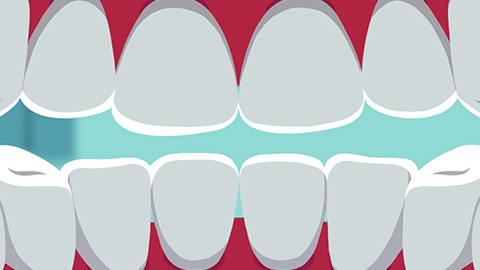
There are numerous teeth-whitening methods available. Cold-light whitening is non-invasive and does not require tooth reduction (i.e., no enamel grinding). However, its whitening efficacy is limited, and some patients may experience insufficient lightening. Sensitivity varies among individuals, but cold-light whitening is especially effective for extrinsic staining. In contrast, for teeth with intrinsic discoloration—such as those affected by dental plaque accumulation, tetracycline staining, or fluorosis—where discoloration is severe, cold-light whitening provides only modest improvements in brightness or chroma. Thus, patients should consult thoroughly with their dentist before choosing this treatment.
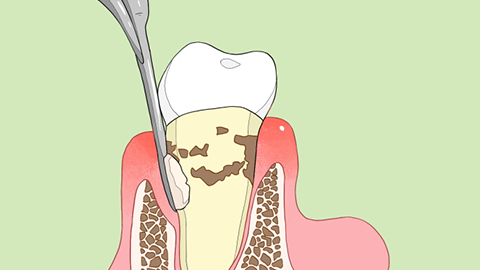
In addition, cold-light whitening is currently considered one of the safest teeth-whitening methods available. We hope this information has been helpful!



