


What is the exact temperature range for low-grade fever?

Low-grade fever is a common symptom, generally defined as a body temperature above normal but below 38°C (100.4°F). The simplest way to determine whether a low-grade fever is present is by measuring body temperature with a thermometer. So, what exactly constitutes the temperature range for low-grade fever?
What Is the Temperature Range for Low-Grade Fever?
A body temperature ranging from 37°C to 38°C is considered low-grade fever. Abdominal pain and cough may indicate bronchial inflammation or infection, often accompanied by symptoms such as productive cough (with phlegm) and pharyngeal redness and swelling. Under a physician’s guidance, oral administration of amoxicillin capsules or erythropoietin capsules may be appropriate for treatment. During medication therapy, drinking moderate amounts of chrysanthemum tea is recommended, as it possesses heat-clearing and detoxifying properties.
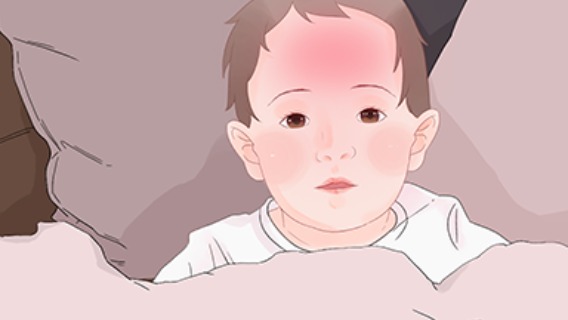
Low-grade fever is often a normal physiological response of the human body to various diseases. Patients with low-grade fever commonly experience symptoms such as indigestion, generalized fatigue, headache, and dizziness. Once low-grade fever is confirmed, identifying its underlying cause is essential. Causes of low-grade fever are diverse and can generally be categorized into two major types: organic (structural) and functional.

Among organic causes, infections are the most common. Infectious low-grade fever may result from bacterial, fungal, or viral infections. Among cases of prolonged unexplained low-grade fever, tuberculosis—caused by *Mycobacterium tuberculosis*—is the most frequent infectious etiology. It typically presents as afternoon low-grade fever and may be associated with symptoms including cough, fatigue, and night sweats (or diaphoresis upon waking). Non-infectious causes of low-grade fever include hyperthyroidism, rheumatic fever, systemic lupus erythematosus (SLE), hematologic disorders, malignancies, and drug-induced fever. We hope this information proves helpful to you!


