


How is hepatitis A transmitted?
May 17, 2022
Source: Cainiu Health

Dr. Jin Zhongkui
Introduction
Hepatitis A is typically transmitted via the fecal-oral route. It is an infectious disease caused by the hepatitis A virus (HAV) infecting the human body and triggering inflammatory liver lesions. Both symptomatic patients and asymptomatic carriers serve as sources of infection. Infected individuals can excrete the pathogen only through feces; therefore, the hepatitis A virus is primarily transmitted via the fecal-oral route.
Hepatitis A, commonly known as “hepatitis A” or “infectious hepatitis,” is caused by the hepatitis A virus (HAV). How is hepatitis A transmitted?
Transmission Routes of Hepatitis A
Hepatitis A is primarily transmitted via the fecal-oral route. It is an infectious disease characterized by inflammatory liver lesions following viral infection. Both symptomatic patients and asymptomatic carriers serve as sources of infection. Infected individuals excrete the virus exclusively through feces; thus, the hepatitis A virus is predominantly transmitted via the fecal-oral route.

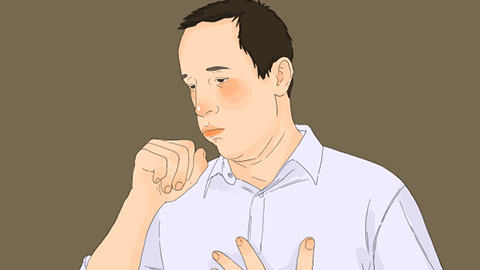
Hepatitis A typically presents acutely. In the early stage of illness, patients may experience fever, fatigue, loss of appetite, nausea, aversion to greasy foods, vomiting, and dark-colored urine. Concurrently, they may develop jaundice—evident as yellowing of the skin and sclera—as well as right upper quadrant abdominal pain, hepatomegaly, and, in some cases, splenomegaly. These symptoms generally persist for approximately two weeks; thereafter, jaundice gradually subsides and clinical symptoms improve over the subsequent one to two weeks.
Currently, the most effective preventive measure is pre-exposure vaccination. Following immunization, the body produces protective antibodies that effectively prevent infection. Additionally, it is advisable to avoid crowded public places whenever possible. After visiting such locations, thorough handwashing and disinfection are essential. Dietary precautions are also critical—avoid consuming undercooked meat or seafood. We hope this information has been helpful. Wishing you good health and a joyful life!


