


What Causes Blood in Vaginal Discharge After Sexual Intercourse?

In daily life, it is common for couples cohabiting to engage in sexual intercourse. However, sometimes women may notice blood-tinged vaginal discharge (leukorrhea) following intercourse. So, what causes blood-tinged discharge after sexual activity?
What Causes Blood-Tinged Discharge After Sexual Intercourse?
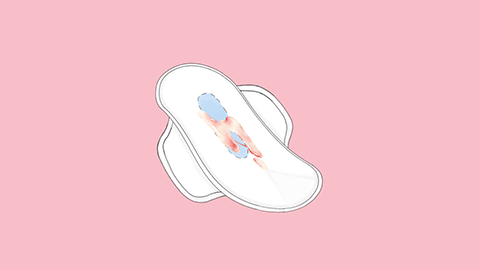
Blood-tinged discharge—also termed “hemorrhagic leukorrhea”—refers to vaginal discharge mixed with blood, with the amount of blood varying. Hemorrhagic leukorrhea is commonly associated with cervical cancer, cervical polyps, submucosal uterine fibroids, atrophic vaginitis (common in postmenopausal women), benign or malignant tumors, cervical tuberculosis, cervicitis, endometritis, and cervical lacerations or trauma. Ovulation-related bleeding should also be considered, as some women experience light spotting around mid-cycle. The presence of blood streaks in vaginal discharge may stem from multiple factors. If blood-tinged discharge occurs outside the ovulatory phase, it is generally considered pathological. Postcoital blood-tinged discharge warrants particular attention, as it may indicate underlying malignancy of the genital tract. We recommend prompt medical evaluation—including comprehensive gynecological examinations—to identify the cause and initiate appropriate treatment.
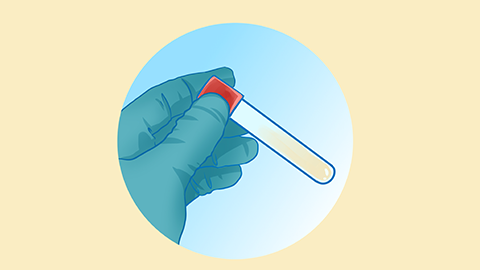
Women cohabiting with a partner may experience blood-streaked discharge. In such cases, bleeding may originate from the vaginal wall or the cervix. Pathological changes in either location can lead to postcoital bleeding. For example, cervical polyps or cervical inflammation may cause bleeding after intercourse. Therefore, when blood-streaked discharge occurs following intercourse, a gynecological examination is essential to determine the source of bleeding. Clinicians will carefully assess the volume, color, and odor of vaginal secretions. Routine vaginal secretion testing may be performed to rule out vaginitis. To exclude cervical pathology, staged diagnostic procedures—including cervical cytology (Pap smear), HPV testing, colposcopy, and biopsy—may be necessary.
Individuals should pay close attention to personal hygiene and maintain healthy daily habits to prevent fungal or viral infections that could severely compromise health. We hope this information proves helpful!


