


Should a child’s persistent low-grade fever for 24 hours be treated?

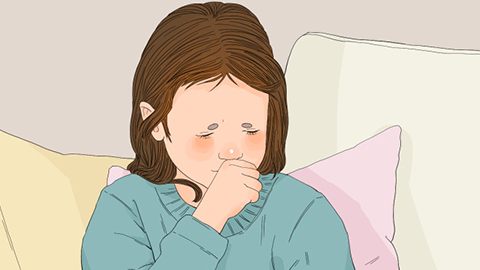
If your baby has only a mild fever—without any other accompanying symptoms—and remains alert and in good spirits, the most likely cause is a common cold. This situation is generally not serious, and initial observation at home is appropriate. But what should you do if the low-grade fever persists for 24 hours?
Should a persistent low-grade fever lasting 24 hours be treated?
A low-grade fever throughout the night typically refers to a body temperature below 38°C (100.4°F). For children, rest—especially sleep—is ideal. If no other abnormalities are present, you may gently sponge the limbs repeatedly with warm water, and thoroughly wipe areas rich in blood vessels—including the neck, armpits, and groin—to help reduce heat. Fever-reducing patches applied to the forehead and limbs may also be used as adjunctive therapy alongside antipyretic medications. However, if your baby develops unfamiliar symptoms—such as poor sleep, insomnia, or cold hands and feet—you should wake them up and administer a small dose of oral antipyretic medication. Options include ibuprofen or acetaminophen (paracetamol), dosed according to the child’s weight, actual temperature, and overall clinical condition.

Fever itself results from endogenous or exogenous pyrogens acting on the hypothalamic thermoregulatory center, causing an upward shift in the body’s temperature set-point. In fact, fever is a protective physiological response. Following viral or bacterial infection, elevated body temperature stimulates immune cells, enhancing their ability to phagocytose pathogens—or promoting antibody production to combat infectious agents.
Additionally, ensure your child drinks plenty of fluids. Increased hydration supports natural fever reduction. Wishing you and your family good health and happiness!


