


What Are Cervical Warts?

Cervical condyloma acuminatum is a type of uterine disorder. Cervical condylomas are typically small lesions and can often be managed with medication. However, medications must be used strictly as prescribed by a physician to avoid risks associated with inappropriate or self-directed treatment. So, what exactly is cervical condyloma acuminatum?
What Is Cervical Condyloma Acuminatum?
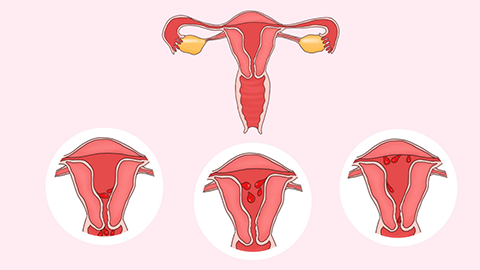
Cervical condyloma acuminatum refers to genital warts that develop on the cervix. It is primarily caused by infection with human papillomavirus (HPV) transmitted through sexual contact, most commonly low-risk HPV types 6 and 11. Clinically, cervical warts typically appear as branched or cauliflower-like papules; some may be relatively flat. Diagnosis requires either local biopsy or HPV testing of cervical tissue. Once confirmed, prompt treatment is essential—typically involving physical ablation of the warts via laser therapy or cryotherapy, combined with systemic antiviral medication to reduce the risk of post-treatment recurrence. Alternative approaches include localized cervical laser or cryotherapy, or combination therapy with intramuscular interferon. In certain cases, photodynamic therapy may also be considered.
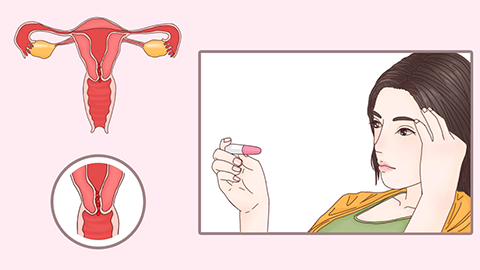
The primary etiology is HPV infection—particularly by low-risk HPV subtypes. Infection triggers localized hyperplasia of cervical epithelial tissue, resulting in visible warty lesions. Without timely diagnosis and appropriate intervention, these lesions may progressively spread and enlarge, potentially involving the entire cervix and even extending to the vaginal wall, manifesting as widespread warty growths.
During treatment, patients should abstain from sexual activity and avoid bathing (especially soaking in baths or swimming), and should refrain from consuming spicy or irritating foods to minimize the risk of wound infection at the surgical site. We hope this information is helpful to you!


