


What Causes Horizontal Lines on Fingernails?

In daily life, you may notice numerous horizontal ridges on your fingernails, making the nail surface appear uneven. What causes these horizontal ridges on fingernails?
Causes of Horizontal Ridges on Fingernails
Horizontal ridges on fingernails are clinically termed “transverse nail ridging” and may occur in otherwise healthy individuals’ skin or nails. Common causes include:
• Nail aging: With advancing age, both skin and nails undergo natural aging processes. As nails age, their surfaces gradually lose smoothness and develop horizontal ridges—a normal physiological phenomenon.
• Fungal infection (onychomycosis): This condition manifests as horizontal ridges accompanied by clinical signs such as nail roughness, thickening, and brittleness. Fungal testing yields positive results. Poor nail nutrition may also lead to loss of nail luster, surface roughness, pitting, and transverse ridging.
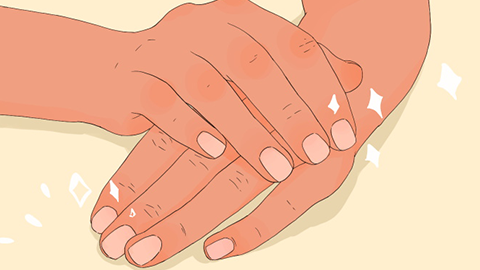
• Physical and chemical irritants: Housewives frequently handle hot water, soap, laundry detergent, cleaning agents, and disinfectants; individuals in certain occupations regularly contact chemical reagents. Such repeated physical or chemical exposure can trigger hand eczema, which may be associated with nail changes—including horizontal ridges on fingernails.
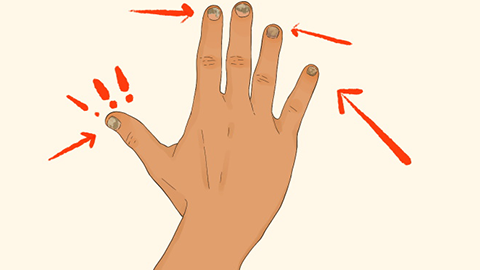
If horizontal ridges appear on your fingernails without accompanying systemic symptoms or other skin manifestations on the hands, this is typically a benign physiological change and generally requires no treatment. However, if you experience additional systemic symptoms or concurrent nail disorders or other clinical signs, promptly consult a dermatologist at a reputable hospital. A thorough clinical evaluation by a dermatologist—supplemented by appropriate diagnostic tests—will help determine the underlying cause.
We hope this article has been helpful. Wishing you a joyful life and good health!


