


How to Treat Blisters Caused by Oil Scalds to Prevent Scarring
May 17, 2022
Source: Cainiu Health

Dr. Liu Wan
Introduction
Patients who suffer oil scalds must immediately rinse the affected area with cool running water for at least 30 minutes to achieve an effective therapeutic effect. Depending on the severity of the burn, patients can apply different prompt first-aid measures to minimize the risk of scarring.
Mild burns presenting with slight redness and swelling: Patients should repeatedly rinse the affected area continuously with cool water and apply mentholated oil (e.g., “cooling oil”) to the burn site. With appropriate management over time, the redness and swelling will subside completely, leaving no scar.
After a localized skin area is scalded by hot oil, blisters commonly form at the wound site and may leave scars. Moreover, blister fluid is rich in proteins and nutrients, providing an ideal environment for bacterial growth. Once infection occurs, it can progress rapidly. So, how should oil scald-induced blisters be managed to minimize scarring?
How to Manage Oil Scald-Induced Blisters to Prevent Scarring
Individuals scalded by hot oil should immediately rinse the affected area with cool running water for at least 30 minutes. Depending on the severity of the scald, prompt and appropriate first aid can significantly reduce the risk of scarring. For mild scalds presenting only with redness and swelling: repeatedly rinse the area with cool water and apply mentholated oil (e.g., “cooling oil”) to the affected site. With proper care, the redness and swelling will subside without leaving scars. If blisters develop: disinfect the skin surrounding the blister with alcohol—but do not puncture or rupture the blister. Instead, cover it gently with sterile gauze. After the blister has resolved, apply an appropriate scar-reducing ointment.
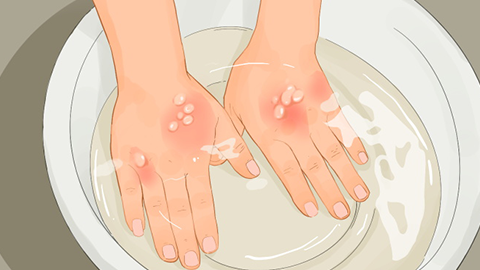
In cases of severe burns, patients must seek immediate medical attention at a hospital. Scar management should then be performed under professional supervision. For severe burns, meticulous wound hygiene is essential. Patients should avoid applying over-the-counter topical medications indiscriminately, as this may increase the risk of infection, complicate subsequent medical treatment, and hinder effective scar management.
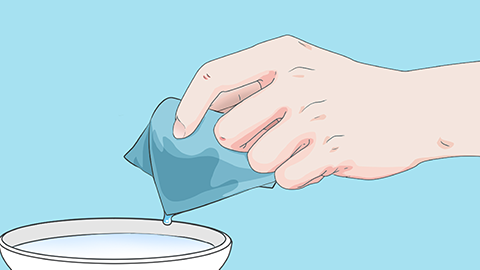
Blisters should generally not be deliberately punctured. However, if a blister ruptures accidentally, clean and disinfect the area promptly to prevent infection. We hope this information is helpful!


