


—What causes shortness of breath, chest pain, and back pain?

In daily life, some individuals experience chest pain when breathing deeply. So—what causes chest and back pain upon inhalation?
What Causes Chest and Back Pain Upon Inhalation?
Chest and back pain triggered by inhalation differs from typical cardiac-related symptoms. Cardiac pain usually occurs in the precordial region—specifically, at the mid-third of the sternum. Angina pectoris is typically unrelated to wheezing but may be associated with physical exertion or emotional stress. In contrast, chest and back pain occurring specifically after inhalation may stem from the following conditions: - Pleuritis: Inflammation of the pleura often correlates with inspiration, causing sharp chest pain during inhalation. - Pneumothorax: Air leakage into the pleural cavity can also provoke chest pain upon inhalation. - Rib or costochondral inflammation or injury: Pain arises due to movement of the thoracic cage during respiration.
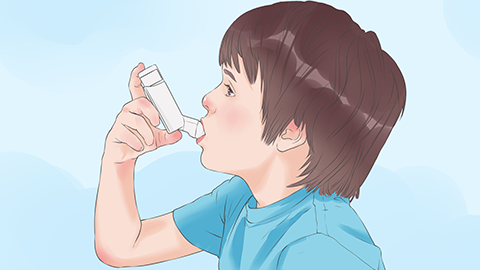
Chest and back pain occurring specifically during exhalation is commonly attributable to chronic fasciitis of the back. In patients with fasciitis, localized inflammation leads to soft-tissue adhesions. Excessive respiratory excursion—or additional stimuli such as coughing—can trigger back pain during breathing or exhalation. Symptoms typically improve with local massage, adequate rest, topical circulation-promoting and blood-stasis-resolving medications, and/or oral pharmacotherapy.

However, if symptoms persist despite the above interventions, pleuritis should be considered. In pleuritis, inflamed pleural layers adhere abnormally to the chest wall. During respiration, these adherent pleural surfaces slide against each other within the thoracic cavity; such abnormal friction may manifest as back pain during exhalation. We hope this article has been helpful. Wishing you a joyful life and good health!


