


Can pediatric facial paralysis be cured?

Facial paralysis is relatively common and can occur among people of all ages; it is also a frequent cause of disability. So, can pediatric facial paralysis be cured?
Can pediatric facial paralysis be cured?
“Smiling and letting words slip” is indeed a common manifestation of pediatric facial paralysis—yet this condition is generally mild and most often results from facial nerve palsy. Treatment may include several medications, as well as vitamin supplementation and corticosteroid therapy, which typically yield excellent outcomes. With parental support and cooperation with healthcare providers, symptoms usually begin to improve within approximately two weeks. Daily care should focus on keeping the child’s face warm, avoiding direct exposure to cold drafts, and maintaining a balanced, nutritious diet.
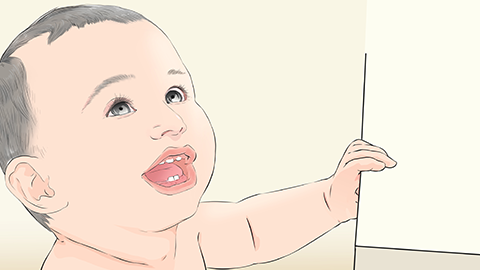
Pediatric facial paralysis is treatable—and patients with milder forms often respond very well to timely intervention. In most cases, appropriate pharmacotherapy combined with acupuncture can lead to full recovery within a short period. Electroacupuncture may enhance therapeutic efficacy, though it may cause discomfort or pain for some children. Children with facial paralysis require assistance in daily activities. Dietarily, they should consume easily digestible, nutrient-rich foods—including high-quality protein sources, fresh fruits, and vegetables—to ensure adequate intake of essential vitamins.
Additionally, cultivating healthy lifestyle habits is crucial: maintaining regular sleep-wake cycles, staying optimistic, and engaging in routine physical exercise. Facial muscle exercises are especially beneficial—they help improve facial muscle tone and accelerate recovery. Gentle facial massage can also stimulate facial nerves and blood circulation. Patients should select treatment modalities suited to their individual circumstances and actively cooperate with their healthcare team to achieve optimal recovery. We hope this article has been helpful. Wishing you joy in life and good health!


