


Can sexually transmitted infections (STIs) be cured?

Sexually transmitted infections (STIs) do not refer to a single disease but rather encompass a broad category of multiple distinct conditions. So, can STIs be cured?
Can STIs be cured?
Since “STI” is an umbrella term covering numerous diseases, the question “Can STIs be cured?” cannot be answered in general terms. Below are examples of several common STIs. First, gonorrhea and non-gonococcal urethritis (NGU): gonorrhea is caused by *Neisseria gonorrhoeae*, while NGU is commonly caused by *Chlamydia trachomatis* and other pathogens. Both respond well to appropriate antibiotics, and early, timely treatment typically leads to full recovery. Syphilis—caused by the spirochete *Treponema pallidum*—is highly sensitive to penicillin; when treated early, it carries an excellent prognosis and is curable.
Some STIs caused by viruses are more difficult to treat. For instance, genital herpes—caused by herpes simplex virus (HSV)—establishes latency in nerve ganglia, leading to frequent recurrences and making complete eradication extremely challenging. Genital warts (condyloma acuminatum), caused by human papillomavirus (HPV), often involve latent or subclinical infection, requiring repeated treatments for resolution. As for HIV/AIDS, although antiretroviral therapy (ART) effectively controls viral replication and symptoms, it does not eradicate the virus and therefore cannot provide a cure.
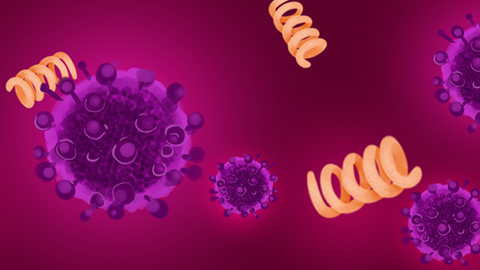
STIs constitute not a single disease but a collective term for many distinct conditions—including genital warts, syphilis, and gonorrhea. Some STIs can be completely cured with appropriate treatment following infection—for example, syphilis and gonorrhea. Others, however, cannot be fully eradicated: genital warts, genital herpes, and HIV/AIDS remain lifelong conditions without definitive cures. We hope this article has been helpful to you. Wishing you a joyful life and good health!


