


What are the risks associated with cervical polyps?

Cervical polyps are a common gynecological condition in women. What potential harms do cervical polyps pose?
What Harms Can Cervical Polyps Cause?
Cervical polyps may lead to the following complications: • Induction of secondary complications: Cervical polyps can disrupt endocrine balance in women, and associated inflammation may promote progressive polyp growth, potentially leading to pelvic inflammatory disease (PID), salpingo-oophoritis (inflammation of the fallopian tubes and ovaries), and vaginitis. Once diagnosed, cervical polyps should be surgically removed. • Impact on fertility: Cervical polyps may adversely affect childbirth. During delivery, they may cause bleeding; therefore, if detected, polyps should ideally be removed one month prior to the expected delivery date.
• Infertility: Untreated cervical polyps may gradually enlarge and obstruct the cervical os—or may be situated directly at the cervical opening—thereby impeding normal sperm ascent and compromising conception. • Impact on sexual life: Cervical polyps frequently cause coital bleeding, directly affecting marital or sexual harmony. • Malignant transformation: Chronic inflammatory stimulation is the primary etiology of cervical polyps; without timely treatment, there remains a risk of malignant transformation.
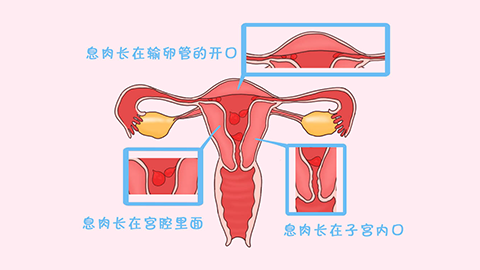
For cervical polyps, excision is performed via cervical polypectomy. Using a vascular clamp, the polyp’s pedicle is grasped and rotated several times to achieve complete removal. To minimize recurrence, it is recommended that, after excision, the vascular clamp be used to carefully remove residual tissue from the endocervical canal. Cervical polypectomy is a minor gynecological procedure, typically completed within 1–2 minutes, with a low incidence of complications. We hope this article has been helpful. Wishing you a joyful life and optimal health!


