


Treatment Methods for Axillary Odor

Many people suffer from axillary osmidrosis (body odor), especially during summer, when the unpleasant odor becomes particularly noticeable—causing significant embarrassment in social and professional settings with friends and colleagues. This condition severely impacts daily life and work performance. So, what treatment options are available for axillary osmidrosis?
Treatment Options for Axillary Osmidrosis
Axillary osmidrosis primarily results from secretions of the apocrine (large) or eccrine (small) sweat glands in the axilla, which, when mixed with skin bacteria, produce an offensive odor. Common management approaches include the following:
1. Improved Hygiene: For mild cases, no specific medical intervention is required. Regular bathing, frequent clothing changes, and the use of antiperspirants can effectively control symptoms.
2. Botulinum Toxin Type A Injections: Botulinum toxin type A injections are frequently used to treat axillary osmidrosis. This minimally invasive approach offers advantages such as minimal trauma, rapid recovery, short downtime, and no scarring.
3. Minimally Invasive Surgery: For more severe cases, minimally invasive surgical techniques may be selected. These procedures offer precise targeting and effective removal of affected tissue.
4. Light- and Energy-Based Therapies: Clinical treatments such as laser therapy and radiofrequency ablation are also employed.
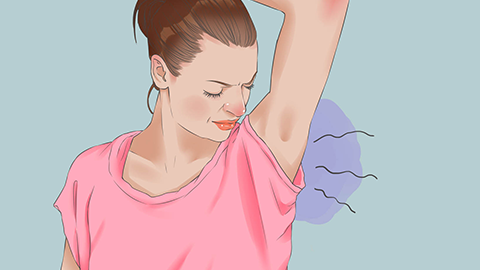
Currently, numerous treatment modalities exist for axillary osmidrosis; however, disease severity varies significantly among individuals. Beyond the above-mentioned approaches, the most direct and effective method is surgical excision of the sweat glands to achieve definitive symptom relief.

Treating axillary osmidrosis scientifically typically begins with maintaining good personal hygiene, followed by pharmacological and/or clinical interventions. With appropriate management, this condition can be substantially improved. We hope this information proves helpful to you.


