


What Is the Most Effective Method for Treating Heat Rash in Infants?

Prickly heat (miliaria) is a common skin condition characterized by small vesicles and papules accompanied by itching, resulting from impaired sweat excretion. It predominantly affects infants and young children. Many parents become anxious upon noticing prickly heat in their children and seek information on the most effective methods for its treatment. So, what is the most effective approach for managing prickly heat in infants?
Most Effective Management of Prickly Heat in Infants
First, place the affected infant in a cool environment to minimize sweating, and dress them in loose, sweat-absorbing clothing. Prickly heat manifests in three clinical types, each requiring distinct therapeutic approaches based on the appearance of the rash: 1. Miliaria crystallina (crystalline miliaria): Topical application of calamine-based baby powder or 1% menthol-calamine lotion is recommended. 2. Miliaria rubra (red miliaria): Calamine lotion may be applied multiple times daily. Alternatively, a low-potency topical corticosteroid—such as desonide cream—may be used twice daily. 3. Miliaria pustulosa (pustular miliaria): Topical application of mupirocin ointment or fusidic acid cream is advised to prevent secondary infection.

To prevent prickly heat, ensure the infant’s skin remains clean and dry. Bathe the baby daily with lukewarm water, avoid overdressing or over-bundling, limit exposure to hot and humid environments, and encourage adequate fluid intake and sufficient rest.
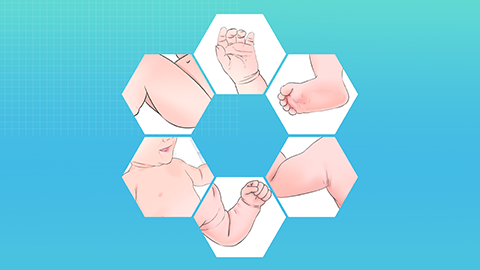
Parents are advised to maintain good ventilation in the infant’s room by opening windows regularly and ensuring appropriate temperature and humidity levels. Encourage a light, easily digestible diet rich in vegetables and fruits. During episodes of prickly heat, avoid feeding spicy, greasy, or otherwise irritating foods. We hope this article proves helpful to you!


