


How to Get Rid of Heat Rash in Summer

Miliaria, commonly known as “prickly heat” or “heat rash,” and also termed “miliaria crystallina,” is a superficial inflammatory dermatosis that occurs during summer or in hot, humid environments. So, how can prickly heat be effectively managed during summer?
Management of Prickly Heat in Summer
Once prickly heat develops, frequent cleansing with lukewarm water is recommended to maintain skin cleanliness and dryness. Topical treatments such as calamine lotion or talcum powder formulated for prickly heat may be applied. In cases of secondary infection, topical and/or oral antibiotics may be added as appropriate. Traditional Chinese medicine (TCM) therapy focuses on clearing heat, relieving summer-heat, and resolving dampness. Oral remedies such as honeysuckle flower decoction or Xiangru Yin (a classic TCM formula) may be prescribed.
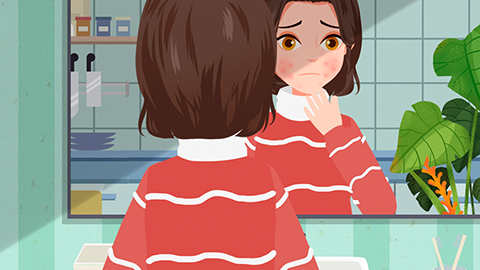
Prickly heat results from high ambient temperature and humidity, excessive sweating, and impaired evaporation of sweat. Prolonged exposure to sweat causes maceration and swelling of the epidermal stratum corneum, leading to narrowing or obstruction of the sweat duct orifice. This results in retention of sweat within the duct, increased intraductal pressure, duct rupture, and leakage of sweat into surrounding tissues—triggering localized irritation and manifesting clinically as papules, papulovesicles, and tiny vesicles at the openings of sweat pores. Depending on the level of sweat duct injury and the site of sweat extravasation, lesions appear as pinhead-sized, superficial, clear vesicles without surrounding erythema. These vesicles are fragile and typically asymptomatic, commonly occurring in bedridden individuals who sweat profusely, especially on the trunk and intertriginous areas.
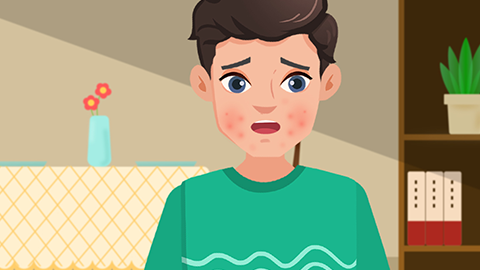
Preventive measures during hot, humid seasons include enhancing indoor ventilation and cooling, wearing loose-fitting clothing, changing undergarments frequently, bathing regularly, maintaining clean and dry skin, avoiding scratching, and preventing secondary infection. Treatment should always be guided by an accurate clinical diagnosis made by a qualified healthcare professional. We hope this article proves helpful to you!


