


Is anxiety disorder related to neurosis?

In daily life, physical discomfort frequently occurs. When such discomfort arises, it’s important not to panic. But is there a relationship between anxiety disorder and neurosis?
Is there a relationship between anxiety disorder and neurosis?
Anxiety and neurosis are, in fact, two terms describing the same condition—differing only in their conceptual scope (i.e., in their connotations and denotations). Historically, this condition was referred to as “neurosis”; today, it is uniformly classified under the broader diagnostic category of neurosis. Neurosis encompasses various subtypes, including anxiety, depression, obsessive-compulsive disorder, and panic attacks. Anxiety can affect anyone. In simple terms, anxiety involves excessive worry about future events that have not yet occurred. Patients commonly experience symptoms such as nervous tension, restlessness, and insomnia.
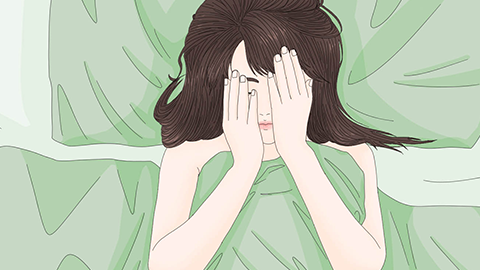
Prolonged anxiety can lead to serious consequences: in women, it may disrupt menstrual cycles; in men, it may impair sexual function—including contributing to erectile dysfunction. Anxiety disorders include generalized anxiety disorder (GAD) and acute panic disorder. These are among the most common types of neurosis. Generalized anxiety disorder is a neurotic condition primarily characterized by persistent, excessive anxiety. Therefore, maintaining a balanced diet and managing emotional well-being appropriately in daily life is essential.
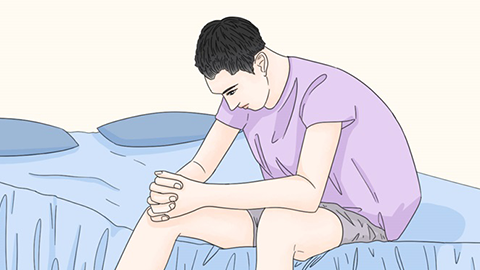
Additionally, anxiety disorders may manifest with other associated symptoms. If you experience physical discomfort, it is advisable to seek timely medical evaluation at a hospital to identify the underlying cause and receive appropriate treatment. We hope this information proves helpful to you!


