


Will swallowed chewing gum stick to your intestines?

Many people enjoy chewing gum in daily life because it helps eliminate oral odor. However, some individuals accidentally swallow it and worry that the gum might stick to their intestines and become trapped. So, does swallowed gum actually adhere to the intestines?
Does swallowed gum stick to the intestines?
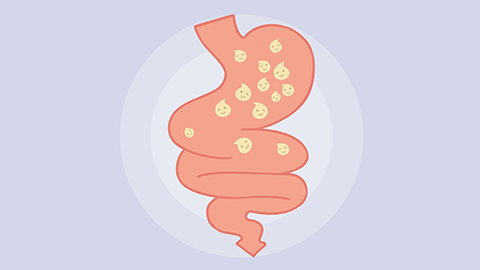
Unlike other foods, chewing gum is not readily broken down during digestion. Meanwhile, the gastrointestinal tract secretes abundant digestive fluids and small amounts of mucus daily, and the intestinal mucosal surface is extremely smooth—leaving no opportunity for gum to adhere. After accidental ingestion, components of the gum are partially absorbed through the combined action of various digestive enzymes and gastric acid, while the majority passes naturally through the digestive tract and is excreted in stool. Since gum is indigestible, it remains visibly distinct when mixed with feces. Individuals who accidentally swallow gum should simply monitor their bowel movements over the next two to three days.

Chewing gum daily may benefit brain health and help prevent dementia. The human brain accumulates beta-amyloid protein—a substance generated primarily by periodontal pathogens—and one contributing factor to its accumulation is the onset and progression of Alzheimer’s disease. To prevent this condition, promoting the clearance of such proteins via blood circulation is ideal. The act of “chewing” is an effective way to enhance cerebral blood flow; however, the number of chewing motions occurring during the standard three daily meals falls short of the level required to achieve optimal circulatory benefits.
To promote cerebral blood circulation effectively through gum chewing, duration should be kept moderate. We hope this information proves helpful!


