


What Foods Should Be Avoided with Herpes Zoster?
May 18, 2022
Source: Cainiu Health

Dr. Liu Wan
Introduction
If you develop shingles, it is best to avoid spicy foods (e.g., chili peppers), scallions, ginger, garlic, shrimp, beef, mutton, fennel, leeks, and fried foods. Your diet should be light and balanced, emphasizing fruits and vegetables rich in vitamins. Shingles is primarily caused by the varicella-zoster virus and is characterized mainly by neuropathic pain; antiviral therapy is the cornerstone of treatment.
Herpes zoster (shingles) is a viral skin disease caused by the varicella-zoster virus (VZV). Primary infection with this virus typically manifests as chickenpox or results in latent infection, during which the virus remains dormant in the dorsal root ganglia of the spinal nerves. So, what foods should be avoided in herpes zoster?
Foods to Avoid in Herpes Zoster
If you develop herpes zoster, it is advisable to avoid spicy foods such as chili peppers, scallions, ginger, and garlic; seafood (e.g., shrimp); red meats (e.g., beef and mutton); fennel; leeks; and fried foods. Instead, maintain a light, balanced diet rich in fruits and vegetables high in vitamins. Herpes zoster arises primarily from reactivation of the latent varicella-zoster virus, with neuropathic pain being its hallmark symptom. Antiviral therapy constitutes the mainstay of treatment. When immune function is compromised—such as during fatigue or upper respiratory infections—the virus may reactivate, replicate, and spread to involve the skin and peripheral nerves, resulting in characteristic painful rashes.
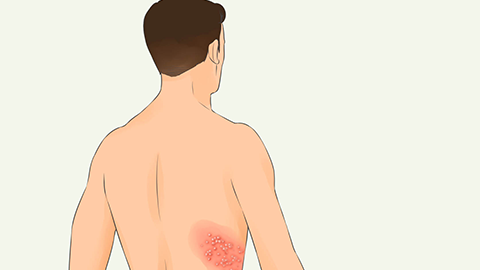
It is recommended to apply antiviral topical ointments under medical supervision. For pruritus, topical anti-itch lotions may also be used. To prevent secondary infection, avoid scratching or traumatizing the affected skin. As the varicella-zoster virus is contagious, all clothing and bedding used by the patient must be thoroughly disinfected.
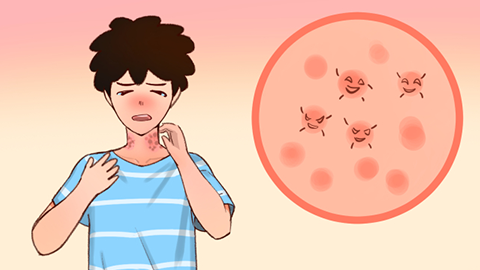
Herpes zoster often causes significant pain and discomfort, frequently occurring after triggers such as colds or fatigue. Given the associated physical exhaustion and systemic malaise, dietary choices should emphasize mild, non-irritating foods. We hope this article has been helpful. Wishing you a joyful life and optimal health!




