


What Causes Lower Back Pain After Drinking Alcohol?
May 18, 2022
Source: Cainiu Health

Dr. Zhao Xinju
Introduction
Some individuals experience low back soreness after drinking alcohol—particularly after consuming large amounts of alcohol or high-proof spirits. This occurs because alcohol causes dilation of the body’s capillaries; the kidneys, being rich in capillary networks, become congested due to this capillary dilation, resulting in low back discomfort. Alcohol consumption necessitates substantial fluid intake, and the excess water must be excreted via the kidneys.
The lumbar region refers to the area on either side of the spine, located between the pelvis (hip bones) and the false ribs—specifically, the part of the human body or quadrupedal animals situated above the hips and below the ribs. It may also denote the central or waist-like portion of certain objects, analogous to the human waist. So, what causes lower back pain after drinking alcohol?
What Causes Lower Back Pain After Drinking Alcohol?
Some individuals experience dull, aching pain in the lower back following alcohol consumption—particularly after heavy drinking or consuming high-alcohol-content beverages. Alcohol induces dilation of capillaries throughout the body. Since the kidneys consist of dense capillary networks, alcohol-induced capillary dilation leads to renal congestion, thereby causing lower back discomfort or aching.
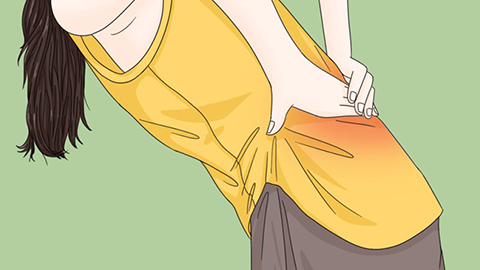
Alcohol consumption necessitates substantial fluid intake, and excess water must be excreted via the kidneys. If renal function is compromised, the kidneys must work harder and faster to eliminate large volumes of urine—potentially resulting in transient kidney injury. Moreover, excessive alcohol intake can cause vasodilation and muscular relaxation in the lumbar musculature, leading to localized congestion in the lumbar muscles and subsequent lower back aching.
Chronic lower back pain may contribute to lumbar muscle strain. Individuals who stand for prolonged periods often exhibit diminished ligament elasticity and reduced strength in lumbar tendons and muscles. Consequently, lactic acid accumulates, impairing normal muscular metabolism in the lumbar region. Untreated or inadequately managed low back pain can become increasingly intolerable over time. We hope this information has been helpful to you!






