


What Foods Should Be Avoided with Herpes?

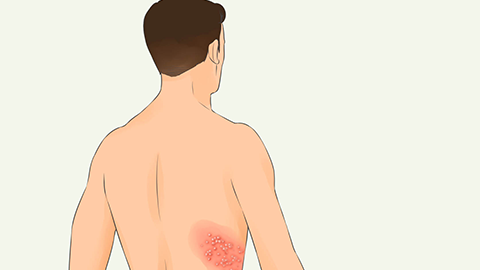
Herpesviruses commonly encountered in clinical medicine include herpes simplex virus (HSV) and varicella-zoster virus (VZV), which causes shingles. When outbreaks occur in the genital or perianal regions, they may be accompanied by pain. Following a herpes infection, certain dietary precautions are advisable. So, what foods should be avoided?
Foods to Avoid with Herpes
Dietary restrictions depend on whether the condition is in the active (acute) phase or the remission phase. During the active phase—characterized by local vesicles or skin breakdown—spicy or irritating foods should be avoided. Such foods may delay wound healing and impede recovery.

During remission, the primary goal is to enhance immune function and reduce recurrence risk. Therefore, it is important to avoid major factors known to suppress immunity. Regarding diet, most non-toxic, non-harmful foods have minimal impact on immune function. However, tobacco and alcohol should be avoided as much as possible. Alcohol consumption—especially heavy or chronic drinking—and smoking are well-established contributors to immunosuppression and increase the likelihood of herpes recurrence.
There are no special dietary restrictions regarding so-called “trigger foods” such as fish, shrimp, beef, or lamb. Genital herpes is a viral infection resulting from compromised immunity—not an allergic reaction. In allergic conditions, strict avoidance of potential allergens is warranted; however, for infectious diseases like herpes, the focus should be on avoiding substances—including foods, medications, or other agents—that impair immune function. We hope this article has been helpful. Wishing you a happy life and good health!


