


Can people with high uric acid levels drink milk?

Eggs and dairy products are considered low-purine foods, whereas lean meats—especially organ meats and deep-sea fish and shellfish—are high-purine foods and should therefore be relatively restricted in individuals with hyperuricemia.
Can individuals with elevated uric acid levels drink milk?
Yes, individuals with elevated uric acid levels may drink milk. Milk contains no purines; thus, those with hyperuricemia should maintain adequate hydration by drinking plenty of water, which helps promote renal excretion and metabolism of uric acid in the bloodstream. Dietary modification is essential for managing hyperuricemia, particularly adherence to dietary restrictions. For patients with gout, moderate consumption of milk supports protein intake. Moreover, milk is rich in trace elements, vitamins, and calcium—nutrients that help prevent osteoporosis, enhance immune function, and facilitate uric acid metabolism, thereby lowering serum uric acid levels.
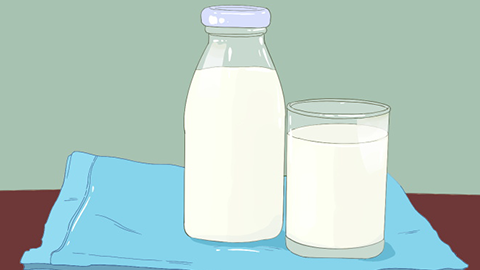
Individuals with elevated uric acid levels should opt for skimmed (fat-free) milk powder when consuming dairy. Skimmed milk powder has very low fat content—a key consideration, as many gout patients are overweight or obese and frequently suffer from hyperlipidemia. Therefore, weight management and avoidance of high-fat foods are crucial. Additionally, skimmed milk powder possesses anti-inflammatory properties, potentially reducing the risk of gout recurrence.

Individuals with elevated uric acid levels should choose regular (whole or low-fat) milk over yogurt. Yogurt tends to have a relatively high fat content, and its abundant fermentation bacteria may contribute to increased uric acid production; thus, it is generally unsuitable for gout patients. We hope this article has been helpful. Wishing you a joyful life and optimal health!


