


Can people with high uric acid levels eat salmon?

Salmon is a cold-water fish native to high-latitude regions such as Canada, Norway, Japan, and the United States. Renowned for its tender texture, vibrant color, and smooth, delicate flavor, salmon has become a popular delicacy on family dining tables in recent years. But can individuals with high uric acid levels eat salmon?
Can individuals with high uric acid levels eat salmon?
Individuals with elevated uric acid levels may consume salmon in moderation. Salmon is rich in unsaturated fatty acids, which effectively lower blood lipid and cholesterol levels and help prevent cardiovascular disease. Its omega-3 fatty acids are essential components of the brain, retina, and nervous system—supporting enhanced cognitive function, reducing the risk of Alzheimer’s disease, and helping prevent vision deterioration. Moreover, salmon contributes to the prevention and management of chronic conditions such as diabetes and boasts exceptionally high nutritional value, earning it the reputation of “a treasure from the sea.” However, individuals with gout should avoid consuming salmon.
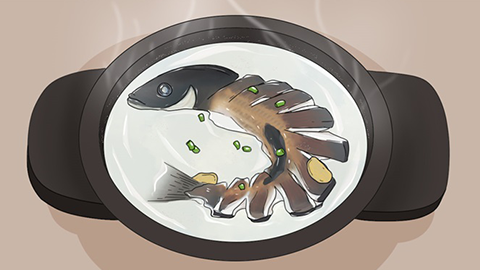
Although salmon is highly nutritious, its nutrient profile aligns closely with the so-called “golden ratio” for an ideal diet. Specifically, the optimal dietary ratio of vitamin E to polyunsaturated fatty acids is 0.4, whereas salmon’s ratio reaches as high as 0.73. Nevertheless, even nutritionally superior foods are not universally suitable for everyone.
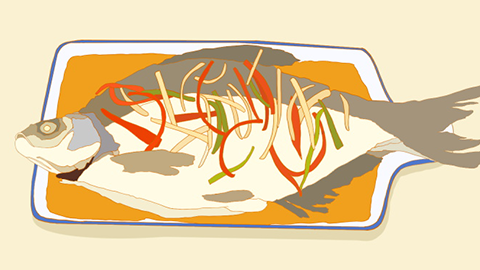
Salmon is particularly suitable for individuals with cardiovascular disease, anemia, or the common cold. Conversely, it is not recommended for those with food allergies, gout, or hypertension. We hope this article has been helpful to you. Wishing you a joyful life and optimal health!


