


Can people with high uric acid levels eat carrots?

Carrots are a healthy food. Consuming carrots in moderation may offer certain benefits for individuals with elevated uric acid levels; however, those with hyperuricemia must prioritize pharmacological treatment and should not rely solely—or blindly—on dietary modifications for management. So, can people with high uric acid eat carrots?
Can people with high uric acid eat carrots?
Yes, people with high uric acid can eat carrots, as carrots are classified as a low-purine food. A low-purine diet does not increase serum uric acid concentration and will not further elevate blood uric acid levels. Therefore, patients with hyperuricemia may safely consume carrots. Similarly, most leafy green vegetables—including carrots, bok choy, water spinach, cucumbers, and pumpkins—are low in purines and thus safe for individuals with elevated serum uric acid.

Most common fruits—such as apples, pears, watermelons, and bananas—are also low in purines, making them suitable for individuals with hyperuricemia. In general, patients with elevated serum uric acid should follow a low-purine diet, limiting intake of high-purine foods such as organ meats and rich, fatty, or heavily meat-based dishes.
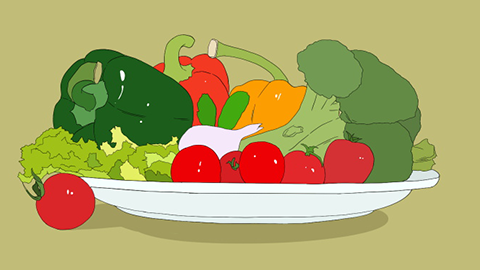
For individuals with mildly elevated uric acid, moderate carrot consumption can be beneficial to overall health. However, relying solely on carrots to fundamentally treat hyperuricemia is inappropriate and ineffective. Individuals with elevated uric acid should not only consume carrots in moderation but also engage in regular physical activity, drink ample water, adhere to prescribed medications, and adopt healthy lifestyle and daily habits. Only through such comprehensive measures can disease progression be effectively controlled and optimal therapeutic outcomes achieved. We hope this response has been helpful to you!


