


Does blood pressure increase after drinking alcohol?
May 18, 2022
Source: Cainiu Health

Dr. Pan Yongyuan
Introduction
Alcohol consumption can affect blood pressure, causing it to rise. Drinking alcohol may stimulate the heart and nervous system, leading to elevated blood pressure. Individuals with hypertension should avoid alcohol entirely. Chronic alcohol use can cause narrowing of blood vessels and promote atherosclerosis; in severe cases, it may even lead to vascular occlusion. Alcohol not only affects blood pressure but also places additional strain on the heart—thus offering no health benefits whatsoever.
In general, shortly after alcohol consumption, blood pressure may initially decrease due to alcohol’s vasodilatory effect. However, because alcohol also irritates blood vessels—potentially triggering vasoconstriction—blood pressure may subsequently rise. So, does drinking alcohol cause blood pressure to increase?
Does alcohol consumption raise blood pressure?
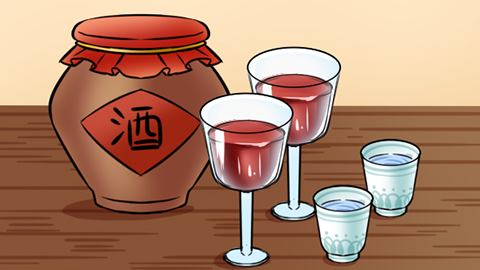
Alcohol consumption affects blood pressure and can lead to its elevation. Drinking may stimulate the heart and nervous system, thereby increasing blood pressure. Individuals with hypertension should avoid alcohol entirely. Chronic alcohol use narrows blood vessel lumens and promotes arterial hardening (atherosclerosis); in severe cases, it may even cause vascular occlusion. While occasional, moderate alcohol intake may confer certain health benefits, frequent or excessive drinking adversely impacts overall health and makes sustained blood pressure control difficult—potentially leading to refractory hypertension. Therefore, it is essential to avoid excessive alcohol consumption in daily life. Moreover, alcohol not only elevates blood pressure but also imposes additional strain on the heart—offering no health benefits whatsoever. Abstinence from alcohol is strongly recommended.
Individuals with hypertension should restrict dietary sodium intake. A low-sodium diet is generally recommended: daily salt consumption should be carefully controlled, and high-sodium foods—including milk, yogurt, soy sauce, and kimchi—should be limited. Broths and meat-based soups should be avoided, as they elevate uric acid levels and increase the metabolic burden on the heart, liver, and kidneys. Foods rich in corn, sucrose, and starch should also be minimized to limit sugar intake and prevent elevated blood lipid levels.
Maintain a relaxed, cheerful, and calm state of mind; avoid emotional stimuli such as excitement, tension, or anger. Maintain a healthy body weight—overweight individuals should aim for gradual, appropriate weight loss. We hope this article has been helpful. Wishing you a joyful life and optimal health!



