


What Causes Chills After Drinking Alcohol?

Shortly after drinking alcohol, people may feel a sensation of warmth in their bodies. However, this is actually caused by dysfunction of the central nervous system’s thermoregulatory center. Conversely, some individuals experience chills or coldness after drinking. So, what causes this sensation of coldness following alcohol consumption?
What Causes Coldness After Drinking Alcohol?
Cold sensations after drinking may be attributable to alcohol itself. If alcohol proves unsuitable for an individual, abstinence should be considered. Alcohol poisoning manifests in various ways. Acute intoxication—commonly known as “drunkenness”—varies in presentation depending on the rate and amount of alcohol consumed, as well as individual physiological factors; thus, the degree and symptoms of intoxication differ from person to person. Mild intoxication may present as slurred speech, while others may exhibit impulsivity, drowsiness, or even coma. The severity of intoxication correlates directly with blood alcohol concentration (BAC).
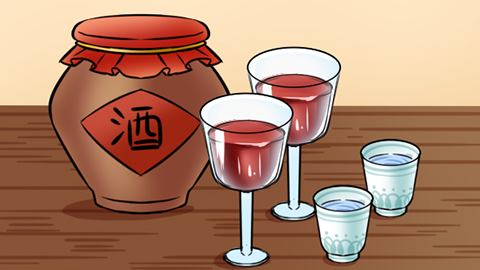
Alcohol typically accelerates systemic blood circulation. Simultaneously, it is metabolized into acetaldehyde, causing vasodilation and thereby enhancing heat loss from the body. Prolonged heat dissipation can subsequently trigger compensatory vasoconstriction, leading to subjective feelings of coldness throughout the body. Consuming alcohol on an empty stomach—or taking medications before drinking—can further exacerbate this effect. When alcohol is ingested without food, the body expends significant energy to metabolize it. In the absence of sufficient glucose due to fasting, hypoglycemia may occur, resulting in cold sensations. Similarly, taking medications prior to alcohol consumption may not only induce chills but also cause nausea; in severe cases, it may even precipitate shock.

Therefore, if coldness arises from such circumstances, prompt medical evaluation is strongly advised to prevent potential complications. It is important to note that post-alcohol coldness may accompany other adverse effects—including dizziness, headache, altered mental status, drowsiness, and fatigue. To minimize health risks, moderation in alcohol consumption is recommended, and binge drinking should be avoided. We hope this article has been helpful. Wishing you a joyful life and optimal health!


