


Why do my eyes swell after drinking alcohol?

I’m sure everyone is well aware of the importance of our eyes—our eyes are one of our most vital sensory organs. So, what causes eye swelling after drinking alcohol?
What Causes Eye Swelling After Drinking Alcohol?
Eye swelling following alcohol consumption is a form of eyelid edema. After drinking, ethanol—the small-molecule component in alcohol—exerts a stimulatory effect on nerves and blood vessels, leading to vasodilation and increased vascular permeability in the periorbital skin. This results in local metabolic disturbances and subsequent edema. Patients experiencing post-alcohol swelling should also consider the possibility of underlying hepatic or renal dysfunction. Impaired kidney metabolism may compromise liver and kidney function, thereby causing periorbital or facial edema—and even generalized edema—in some cases.
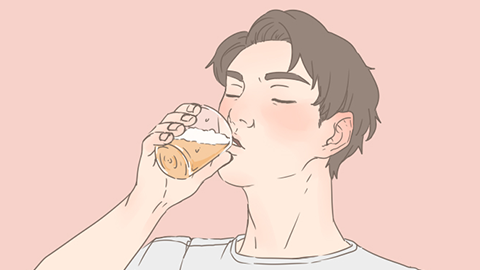
Eye swelling can be treated using the following methods: First, dissolve one teaspoon of salt in a cup of warm water, soak a cotton pad in the saline solution, gently squeeze out excess liquid, and apply the pad to the closed eyes for five minutes before removing it—this helps effectively alleviate periorbital edema. Second, drink a large glass of honey lemon water, which helps neutralize the effects of alcohol in the body, promotes toxin elimination, and prevents eye swelling. Third, apply local cold compresses to lower periorbital temperature, which can effectively reduce eye swelling.
In healthy individuals, moderate alcohol consumption may promote spleen and stomach function, enhance digestion, stimulate appetite, and relieve emotional stress. It may also improve nutrient absorption and alleviate mental pressure. However, individuals with poor physical constitution or pre-existing medical conditions should avoid alcohol altogether, as it may cause systemic damage or exacerbate disease. We hope this information proves helpful!


