


What should I do if my facial skin is allergic, red, and itchy?

In daily life, facial skin allergies may occur in some individuals due to various causes. At times, these allergic reactions are not limited to simple allergy symptoms but may also involve redness and itching—often causing significant discomfort for the patient. So, what should one do when experiencing facial skin allergy with redness and itching?
What to Do for Facial Skin Allergy with Redness and Itching
Facial allergic reactions accompanied by redness and itching can be treated with antihistamines or other anti-allergic medications. Upon developing an allergic reaction, it is crucial first to identify the underlying allergen through thorough evaluation before initiating appropriate management. Avoid scratching the affected area, and refrain from using hot water, as both actions may exacerbate inflammation. Additionally, hands carry numerous bacteria, increasing the risk of secondary infection and worsening the allergic condition. Dry skin is another key contributing factor—it can lead to follicular obstruction; therefore, maintaining adequate skin hydration is essential. Applying a soothing, anti-allergy cream (e.g., “Yumin Cream”) and taking oral vitamin E supplements may help alleviate itching and support skin recovery.
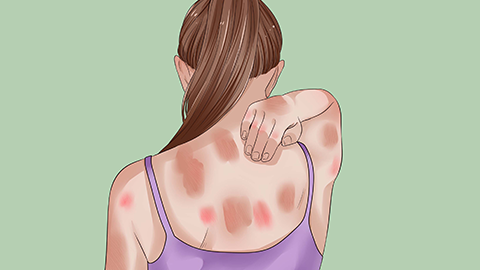
Facial skin allergies commonly result from climatic changes that irritate the facial skin. Other triggers include exposure to pollen, cosmetics, or certain foods—all of which may provoke allergic reactions on the face.

If a child develops facial allergy symptoms, parents are advised to use insect-repellent products when taking the child outdoors to minimize mosquito bites. Should a bite occur, applying an over-the-counter anti-itch topical agent may provide relief. We hope this article has been helpful to you!


