


Can people with high uric acid levels eat tilapia?

With improvements in living standards, an increasing number of people are experiencing hyperuricemia (elevated uric acid levels) in daily life—not only harming their physical health but also significantly affecting their quality of life and work performance. Understanding this condition is essential for effective prevention and treatment. So, can individuals with high uric acid levels consume tilapia?
Can individuals with high uric acid levels consume tilapia?
It is not recommended for individuals with hyperuricemia to eat tilapia. Foods are categorized into three groups based on their purine content: high-purine, medium-purine, and low-purine foods. Serum uric acid is actually a metabolic byproduct of purines; therefore, a diet rich in high-purine foods may trigger gout attacks. Tilapia is classified as a high-purine food and thus should be avoided by individuals with elevated uric acid levels.
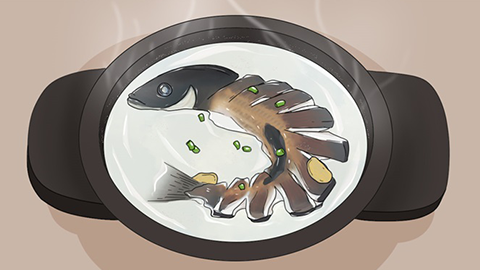
In addition to tilapia, other high-purine foods include seafood, animal offal, meats, and broths. Seafood examples include daylilies (dried), crucian carp, bonito, mackerel, oysters, scallops, shrimp, and crab. Animal offal includes pork stomach (tripe), heart, liver, and beef tripe. Meats include beef, lamb, steaks, chicken, and duck. Broths—including meat broth, bone broth, and fish soup—are also high in purines. Although alcoholic beverages and carbonated drinks contain relatively low amounts of purines, they metabolize in the body to produce lactic acid, which interferes with uric acid excretion and increases the risk of hyperuricemia. Therefore, alcoholic beverages—including baijiu (Chinese distilled spirit), beer, rice wine, and huangjiu (yellow rice wine)—as well as carbonated drinks, are not recommended.

In daily life, avoid spicy and irritating foods, drink plenty of water to promote metabolism, and engage in appropriate outdoor exercise to strengthen immunity. We hope this information proves helpful to you!


