


What Causes Chest Tightness After Drinking Alcohol?

Generally, chest tightness after drinking alcohol may be associated with myocardial ischemia, excessive sympathetic nervous system activation, or coronary artery disease. Patients are advised to seek prompt medical attention at a hospital for appropriate diagnostic evaluations and targeted treatment. Specific details are as follows:
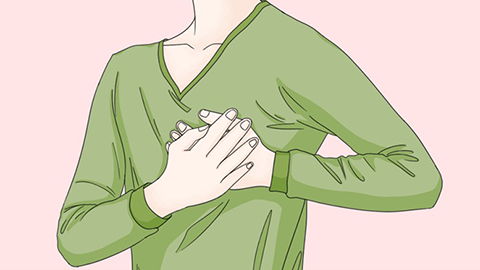
1. Myocardial Ischemia
Alcohol has vasodilatory effects, which may reduce myocardial blood supply and thereby cause chest tightness. In such cases, patients are advised—under physician guidance—to consume foods that help protect the gastric mucosa and drink ample water to facilitate alcohol metabolism.
2. Excessive Sympathetic Nervous System Activation
After absorption, alcohol and its metabolites—including ethanol—are rapidly converted by hepatic alcohol dehydrogenase into acetaldehyde. Acetaldehyde induces rapid capillary dilation; this vasodilation simultaneously triggers excessive sympathetic nervous system activation, stimulating the release of neurotransmitters such as dopamine. Consequently, myocardial contractility increases, vascular permeability rises, heart rate accelerates, and symptoms including facial flushing, dizziness, chest tightness, and shortness of breath may occur. Symptoms typically resolve with emotional relaxation and adequate rest. Additionally, medications such as propranolol or dexmedetomidine may be prescribed per physician instructions.
3. Coronary Artery Disease
Some patients with underlying coronary artery disease experience chest tightness following alcohol consumption—particularly those with preexisting risk factors for atherosclerosis, such as hypertension, diabetes, or hyperlipidemia. Alcohol intake increases cardiac workload and may precipitate angina pectoris. Clinically, this manifests as post-alcohol chest tightness. In such cases, patients may initially drink a moderate amount of lightly salted water and should promptly visit a hospital for evaluation and medication administration per physician guidance.

If chest tightness occurs after drinking alcohol, it is advisable to perform an electrocardiogram (ECG) during symptom onset to assess whether any ECG abnormalities are present.


