


Can people with high uric acid levels eat freshwater fish?

Some individuals in daily life suffer from hyperuricemia—a common clinical condition that significantly impacts everyday living. It is sometimes claimed that people with high uric acid levels may consume freshwater fish. So, can individuals with hyperuricemia eat freshwater fish?
Can individuals with hyperuricemia eat freshwater fish?
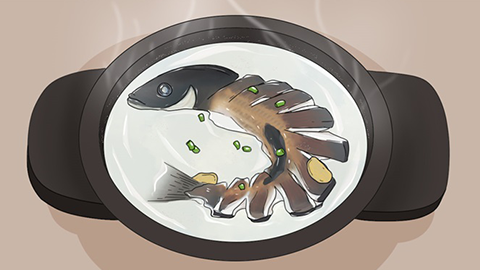
Individuals with hyperuricemia should avoid consuming freshwater fish. Please note that fish contains high levels of purines, which can trigger gout attacks in those with elevated uric acid. In daily dietary management, avoid organ meats (e.g., liver, kidneys), shellfish, seafood, and beer. Strictly control your diet. Instead, increase intake of vitamin-rich foods, fresh fruits, and vegetables. Drinking sodium bicarbonate (baking soda) water in moderation may help promote urinary excretion of uric acid. For severe hyperuricemia, combination drug therapy is often required to prevent disease progression and safeguard overall health; regular follow-up testing is also essential.
Dietary restrictions for hyperuricemia primarily involve high-purine foods, including: organ meats (e.g., liver, kidney), rich meat broths, seafood and marine products, chicken or duck liver, trotters (pig’s feet), tripe, and excessive consumption of seafood, marine products, lamb soup, beef soup, and hotpot broth. These foods contain abundant purines, which may elevate serum uric acid levels. Secondly, smoking and alcohol consumption must be avoided—especially wine, beer, and spirits—as alcoholic beverages impair uric acid excretion and raise serum uric acid concentrations. Additionally, certain medications—including diuretics and aspirin—also interfere with uric acid elimination, potentially leading to markedly elevated uric acid levels.

In daily life, everyone should pay close attention to self-care, strengthen resistance and immunity, and seek timely medical evaluation and treatment upon noticing any abnormal symptoms. We hope this information proves helpful to you!!


