


Can people with high uric acid levels eat sweet potatoes?

With improvements in living standards, an increasing number of people are experiencing hyperuricemia (elevated uric acid levels) in daily life. This condition not only harms physical health but also significantly impairs quality of life and work performance. Understanding the condition is essential for effective prevention and treatment. So, can individuals with high uric acid eat sweet potatoes?
Can individuals with high uric acid eat sweet potatoes?
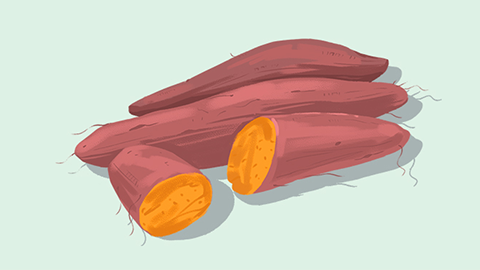
Yes, individuals with elevated uric acid levels may consume sweet potatoes. Patients with hyperuricemia are advised to choose low-purine foods, consume moderate-purine foods in moderation, and avoid high-purine foods. Sweet potatoes are classified as a low-purine food, containing only 10 mg of purines per 100 g. They are rich in minerals, vitamins, and trace elements, helping to replenish essential nutrients. Sweet potatoes have a low glycemic index; thus, they generally pose no adverse effects for patients with hyperuricemia accompanied by abnormal glucose metabolism. Additionally, sweet potatoes are high in dietary fiber and low in both fat and calories—making them suitable for moderate consumption by patients with hyperuricemia who also suffer from obesity or hyperlipidemia.
Hyperuricemia is a chronic metabolic disorder; excessive total caloric intake can also disrupt uric acid metabolism. In daily dietary management, patients with elevated uric acid should primarily restrict intake of animal offal, seafood, and certain meats—particularly pork, beef, and lamb. Poultry such as chicken and duck, as well as grass carp, may be consumed in small amounts. Daily intake of fresh vegetables and fruits should be increased, and adequate water intake is encouraged to promote uric acid excretion.

Avoid spicy and irritating foods in daily life, drink plenty of water to support metabolic processes, and engage in appropriate outdoor physical activity to enhance immune function. We hope this information proves helpful!


