


What Causes Abdominal Pain After Drinking Alcohol?

Some individuals experience abdominal pain, dizziness, nausea, vomiting, and other discomforts after drinking alcohol, yet remain unaware of the underlying causes—significantly compromising their physical health. So, what causes abdominal pain after drinking?
What Causes Abdominal Pain After Drinking Alcohol?
Abdominal pain following alcohol consumption may arise from several mechanisms: Upon entering the body, ethanol directly irritates the gastrointestinal mucosa, triggering spasmodic abdominal pain—this is one of the most direct and primary causes. Once absorbed, alcohol induces intestinal hyperemia and accelerates systemic circulation, intensifying spasmodic peristaltic movements in the stomach and intestines, potentially resulting in abdominal pain. Additionally, alcohol consumption may precipitate alcoholic pancreatitis, characterized by severe abdominal pain often radiating to the shoulders and back, accompanied by nausea and vomiting.

Alcohol impairs the gastric mucosal barrier function, leading to mucosal bleeding, edema, and erosion. Heavy or chronic alcohol intake can cause acute gastric mucosal injury and gastric ulcers; in severe cases, it may even result in gastric hemorrhage or intestinal perforation. Given alcohol’s substantial adverse effects on health, individuals with diabetes or fatty liver disease are strongly advised to abstain from alcohol entirely.
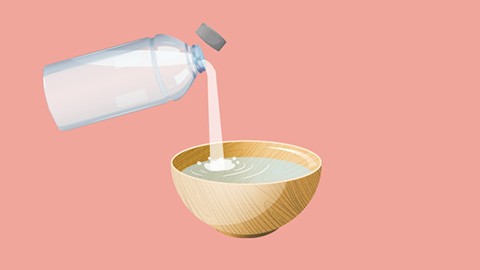
To alleviate alcohol-induced abdominal pain, increase fluid intake—particularly water—or drink a cup of yogurt to help dilute alcohol and protect the gastrointestinal mucosa, thereby easing gastric discomfort. Under medical supervision, oral medications such as omeprazole and pyridoxine (vitamin B6) may be used to relieve symptoms. If symptoms persist despite medication, prompt medical evaluation is recommended for targeted diagnosis and treatment. To minimize gastrointestinal burden, opt for light, easily digestible foods. Abdominal pain following alcohol consumption must be taken seriously; severe or persistent pain warrants immediate medical investigation to identify the underlying cause. We hope this article has been helpful. Wishing you a joyful life and optimal health!


